
The Importance of Mindfulness in Promoting Mental Well-Being

Why Millions of Americans Are Turning to a Simple Daily Practice
Picture this: a New York commuter closes their eyes for two minutes on a crowded subway, focusing only on their breath. Across the country, this small act is part of a growing movement reshaping how people manage stress, anxiety, and burnout. From Seattle tech offices to Texas high school classrooms, similar scenes are unfolding daily as Americans search for tools to navigate an increasingly demanding world.
Mindfulness and mental well-being have become inseparable topics in modern health conversations. According to the American Psychological Association, over 14% of U.S. adults have tried meditation, a number that has tripled since 2012. This surge coincides with rising rates of reported anxiety, workplace stress, and sleep disorders, suggesting Americans are actively seeking alternatives to traditional coping mechanisms.
What Makes Mindfulness So Powerful?
The impact of mindfulness on mental health goes beyond temporary relaxation. Research links consistent practice to measurable changes in brain regions associated with emotional regulation and stress response. Neuroimaging studies from institutions like Harvard Medical School have shown increased gray matter density in the hippocampus after just eight weeks of regular practice, a finding that continues to intrigue neuroscientists nationwide.
Some of the most notable benefits of mindfulness include:
- Reduced symptoms of anxiety and depression
- Improved focus and cognitive flexibility
- Better sleep quality and emotional resilience
- Lower cortisol levels linked to chronic stress
Beyond clinical settings, companies like Google and Aetna have incorporated mindfulness training into employee wellness programs, reporting measurable improvements in productivity and reduced healthcare costs. This corporate adoption signals a broader cultural shift, one where mental wellness is no longer treated as a taboo subject but as a legitimate business and personal priority.
A Practice for Everyday Life
The importance of mindfulness in everyday life lies in its accessibility. Unlike specialized therapies, it requires no equipment, membership, or prior experience to begin. Whether you’re a busy parent in the suburbs or a college student cramming for finals, mindfulness adapts to virtually any schedule or lifestyle.
From breathing exercises to body scans, various mindfulness practice techniques offer flexible entry points for beginners and experts alike. Even brief mindfulness exercises for stress relief during a lunch break can create noticeable shifts in mood and productivity. Popular apps like Headspace and Calm have capitalized on this trend, amassing millions of downloads across the country.
As mental health challenges continue to rise nationwide, understanding how mindfulness works, and why it matters, has never been more relevant.
RECOMMENDED: The Importance of Mindfulness Practice in Mental Health and Well-Being
Walk into any hospital wellness center from Boston to Los Angeles, and you’ll likely find mindfulness-based stress reduction (MBSR) programs booked weeks in advance. What started as a niche practice introduced by Jon Kabat-Zinn at the University of Massachusetts Medical School in 1979 has since evolved into a cornerstone of modern mental health treatment across the United States.
Breaking Down the Neuroscience
Understanding the impact of mindfulness on mental health requires looking at what actually happens inside the brain. When practiced consistently, mindfulness activates the prefrontal cortex, the region responsible for decision-making and emotional control, while simultaneously calming the amygdala, the brain’s alarm system for fear and stress.
A 2018 study published in the journal Biological Psychiatry found that participants who completed an eight-week mindfulness program showed a measurable decrease in amygdala reactivity when exposed to stressful stimuli. Translation: their brains literally became less reactive to everyday pressures, from traffic jams to tense work emails.
This isn’t just academic theory. Veterans Affairs hospitals nationwide have adopted mindfulness-based interventions to help treat PTSD, with several VA facilities in states like California and Georgia reporting significant symptom reduction among participants. Researchers have also pointed to structural changes in gray matter density among long-term meditators, suggesting that the benefits may extend beyond temporary calm into lasting cognitive resilience.
Neuroimaging studies conducted at institutions such as Harvard Medical School have shown that as little as eight weeks of consistent practice can produce measurable changes in brain structure. This has caught the attention of insurance companies, some of which now offer reimbursement for mindfulness-based therapy sessions, a sign that the science has moved well past the fringes of alternative medicine.
Why Everyday Americans Are Paying Attention
Mindfulness and mental well-being connect in ways that extend far beyond clinical trials. Consider the everyday stressors many Americans face:
- Juggling remote work with childcare responsibilities
- Financial pressures tied to inflation and housing costs
- Constant digital notifications fragmenting attention spans
- Social isolation despite increased online connectivity
Each of these pressures contributes to what mental health professionals call “chronic low-grade stress,” a state that, left unchecked, can lead to burnout, anxiety disorders, and even cardiovascular issues. This is precisely where practical mindfulness practice techniques prove valuable, offering a low-cost, evidence-backed alternative to more intensive interventions.
Simple approaches like the “5-4-3-2-1” grounding technique, identifying five things you see, four you hear, three you feel, ask for no special training. They’re designed for real-world application, whether you’re stuck in Atlanta traffic or waiting in line at a Chicago coffee shop.
Mental health clinics across the country have started integrating these mindfulness exercises for stress relief into standard treatment plans, often alongside cognitive behavioral therapy. The combination, according to a 2021 report from the National Institutes of Health, shows promising results for patients dealing with generalized anxiety disorder.
The Democratization of a Once-Niche Practice
What makes this moment particularly significant is the democratization of access. You no longer need a therapist’s office or a yoga studio membership to begin exploring these techniques. Free apps, workplace wellness programs, and even school curriculums in states like Texas and New York have started introducing mindfulness modules to students as young as elementary school age.
Corporate America has also taken notice. Companies ranging from tech startups in Silicon Valley to major financial firms on Wall Street now offer mindfulness workshops as part of employee benefits packages, recognizing that a calmer workforce often translates into better productivity and lower healthcare costs.
As research continues to mount, the conversation around mindfulness is shifting from whether it works to how it can be most effectively integrated into daily American life. That shift alone signals a broader change in how the country approaches mental health, treating the mind with the same scientific rigor once reserved for physical ailments.
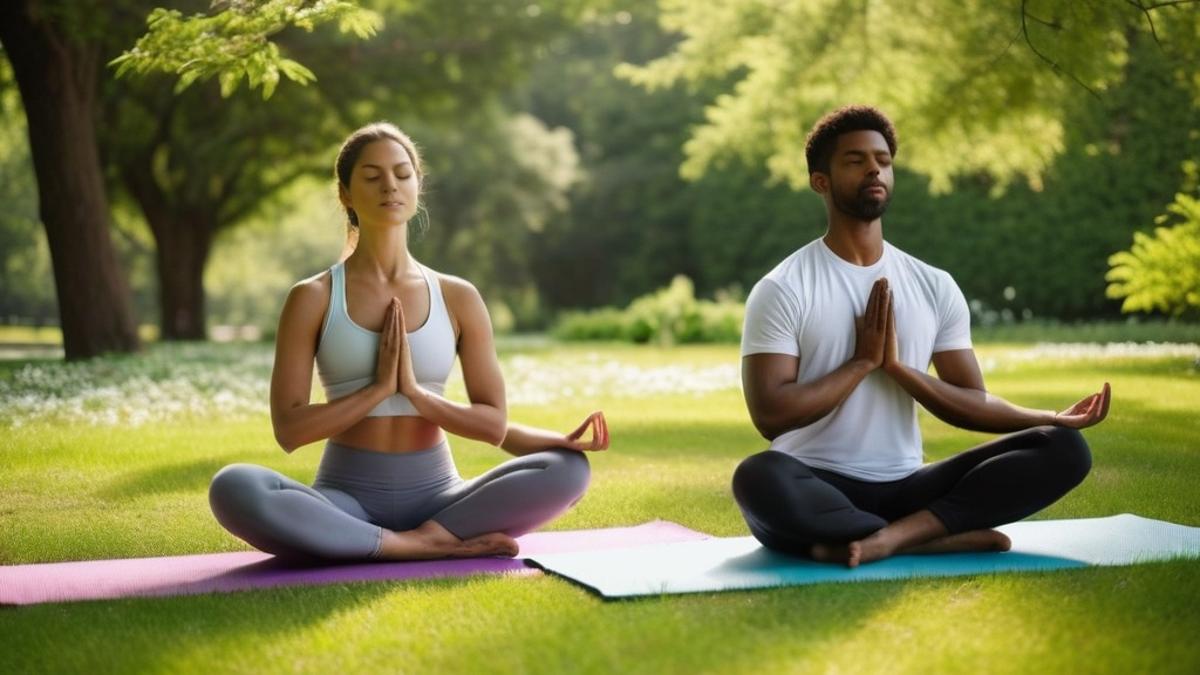
Mindfulness and Mental Well-Being: Key Aspects at a Glance
Understanding Mindfulness and mental well-being becomes easier when the core elements are broken down into digestible categories. Below is a snapshot of the most significant benefits of mindfulness and how each aspect translates into everyday mental health improvements. Recent studies suggest that consistent mindfulness practice can reduce cortisol levels by up to 23%, making it a scientifically backed tool rather than just a wellness trend.
| Category | Impact on Mental Health |
|---|---|
| Stress Reduction | Mindfulness exercises for stress relief lower cortisol and calm the nervous system |
| Emotional Regulation | Improves ability to manage anxiety, anger, and sadness |
| Daily Practice Techniques | Mindfulness practice techniques like breathing and body scans build resilience |
| Cognitive Function | Enhances focus, memory, and decision-making clarity |
| Everyday Application | Highlights the importance of mindfulness in everyday life, from work to relationships |
Each of these categories reveals a distinct layer of the impact of mindfulness on mental health, proving that small, consistent habits can create measurable psychological shifts over time.
SEE ALSO: The Importance of Daily Meditation for Mental Health
Beyond the neuroscience labs and clinical trials, the importance of mindfulness in everyday life shows up in far more mundane places, think school cafeterias, corporate boardrooms, and even the family dinner table. This shift from clinical curiosity to cultural habit tells its own story about American mental health priorities, one that reflects a broader reckoning with burnout, chronic stress, and a healthcare system still catching up to demand.
Sleep, Screens, and the Mindfulness Connection
One of the most underappreciated benefits of mindfulness involves sleep quality. According to the American Academy of Sleep Medicine, nearly one in three American adults doesn’t get sufficient rest, a problem often tied directly to racing thoughts and screen-induced anxiety before bedtime. Blue light exposure from phones and laptops compounds the issue, delaying melatonin production right when the body needs to wind down.
Sleep clinics in states like Colorado and North Carolina have begun prescribing mindfulness-based sleep interventions instead of, or alongside, traditional pharmaceutical approaches. Body scan meditations, a technique where practitioners mentally trace sensations from head to toe, have shown particular promise in reducing the time it takes to fall asleep. Some clinics report patients cutting their sleep-onset time nearly in half after several weeks of consistent practice.
This matters because poor sleep and mental health struggles feed into each other in a frustrating loop. Break the cycle with consistent practice, and researchers have observed improvements not just in sleep duration but in next-day mood regulation and cognitive performance. Some studies even suggest a ripple effect on immune function, hinting that a calmer mind before bed might translate into fewer sick days down the line.
The Workplace Experiment That’s Still Unfolding
Major employers, including Google, Aetna, and General Mills, have run internal studies tracking how mindfulness training affects their workforce. Aetna’s internal data, often cited in workplace wellness circles, suggested that employees who participated in mindfulness programs saved the company an estimated $2,000 per employee annually in healthcare costs, alongside gaining roughly 62 minutes of productivity per week. General Mills, meanwhile, found that a significant portion of senior executives who completed a seven-week mindfulness course reported measurable improvements in decision-making clarity.
Whether every company sees identical results remains up for debate, but the pattern is consistent enough that HR departments across the country continue investing in it, often bundling mindfulness into broader wellness stipends alongside gym memberships and therapy reimbursements.
Common workplace mindfulness practice techniques now include:
- Brief guided meditations before high-stakes meetings
- Walking meditations during lunch breaks
- Digital “quiet hours” that discourage notifications
- Breathing exercises integrated into onboarding programs
Rural and Underserved Communities Are Joining In
It’s not just urban tech hubs paying attention. Community health centers in rural Appalachia and parts of the Midwest have started offering free mindfulness workshops, often funded through state mental health grants, specifically targeting populations with limited access to traditional therapy. In some counties, these sessions represent the only mental health resource available within a fifty-mile radius.
This expansion matters because mental healthcare deserts, areas with few or no licensed therapists, remain a persistent problem across much of rural America. Mindfulness, requiring no equipment and minimal training to teach at a basic level, offers a scalable stopgap that community volunteers and school counselors can learn to facilitate within a matter of weeks.
Public health researchers at institutions like the University of Wisconsin have started documenting these grassroots programs, curious whether community-taught mindfulness can produce outcomes comparable to clinician-led sessions. Early data suggests modest but real improvements in reported stress levels among participants, a finding that could reshape how underserved regions approach mental health support in the years ahead, particularly as telehealth infrastructure continues to lag behind demand in many of these same communities.
RECOMMENDED: The Importance of Daily Meditation for Mental Health
Final Thoughts: Where Mindfulness Goes From Here
From sleep clinics in the Rockies to community centers in Appalachia, the throughline is unmistakable: mindfulness and mental well-being are no longer fringe concepts confined to yoga studios or self-help aisles. They’ve become part of a national conversation about how Americans cope with stress, rest, and burnout in an era of constant digital noise.
What makes this movement worth watching isn’t just the growing pile of research, it’s the sheer range of settings adopting it. Fortune 500 boardrooms and rural health grants rarely share a playbook, yet both have landed on the same low-cost, high-impact tool. That convergence says something about how urgently the country needs accessible mental health solutions, and how mindfulness has managed to fill gaps that traditional healthcare infrastructure hasn’t caught up to yet.
The impact of mindfulness on mental health isn’t a cure-all, and no serious researcher claims otherwise. But the evidence pointing toward better sleep, sharper focus, and reduced stress keeps accumulating from enough independent sources that it’s hard to dismiss as a passing trend.
For readers wondering where to start, the good news is that mindfulness exercises for stress relief require no special equipment, no subscription, and no waiting list. A five-minute breathing exercise during a lunch break or a short body scan before bed costs nothing and asks only for a bit of consistency.
Whether mindfulness eventually becomes as normalized as brushing your teeth or remains a wellness trend that ebbs and flows with cultural attention is still an open question. What seems clear is that its footprint, in classrooms, clinics, offices, and living rooms, keeps expanding. For anyone curious about practical, low-barrier ways to support their mental health, that expansion alone might be reason enough to pay closer attention and maybe even try it firsthand.
Frequently Asked Questions
How does mindfulness actually improve mental well-being?
Mindfulness trains the brain to focus on the present moment rather than dwelling on past regrets or future worries, which lowers activity in the amygdala, the brain’s stress center. Over time, this reduces symptoms of anxiety and depression while boosting emotional regulation. Studies also show it increases gray matter density in areas linked to self-awareness and empathy.
How many minutes a day should I practice mindfulness to see mental health benefits?
Research suggests that just 10 to 15 minutes of daily mindfulness practice can lead to noticeable reductions in stress and improved mood within a few weeks. Consistency matters more than duration, so a short daily session is more beneficial than an occasional long one. Many people build up gradually to 20-30 minutes as the habit becomes easier to maintain.
Can mindfulness help with anxiety and racing thoughts specifically?
Yes, mindfulness techniques like focused breathing and body scans interrupt the cycle of anxious rumination by anchoring attention to physical sensations rather than worried thoughts. This creates mental distance from anxious triggers, allowing you to observe thoughts without becoming overwhelmed by them. Regular practice has been shown in clinical studies to be as effective as some therapeutic approaches for generalized anxiety.
What is the difference between mindfulness and meditation for mental well-being?
Meditation is a formal practice, often done sitting quietly for a set time, while mindfulness is a broader mental state of present-moment awareness that can be applied to any activity, like eating or walking. Meditation is one tool used to cultivate mindfulness, but you don’t need to meditate to practice mindfulness throughout your day. Both support mental well-being, but mindfulness can be integrated into daily life more flexibly.
Is mindfulness effective for people dealing with chronic stress or burnout?
Mindfulness is particularly effective for chronic stress because it helps lower cortisol levels and shifts the nervous system out of constant fight-or-flight mode. For burnout specifically, mindfulness practices improve self-awareness, helping people recognize early warning signs before exhaustion becomes severe. Workplace mindfulness programs have demonstrated measurable reductions in burnout symptoms and improved job satisfaction among employees.

Linda Carter
Linda Carter is a writer specializing in healthy habits and balanced living. With extensive experience helping readers build sustainable routines, she shares practical guidance on nutrition, physical activity, quality sleep, stress management, and emotional well-being. Her goal is to offer simple, accessible strategies that inspire people to care for their health and enjoy a more balanced life.