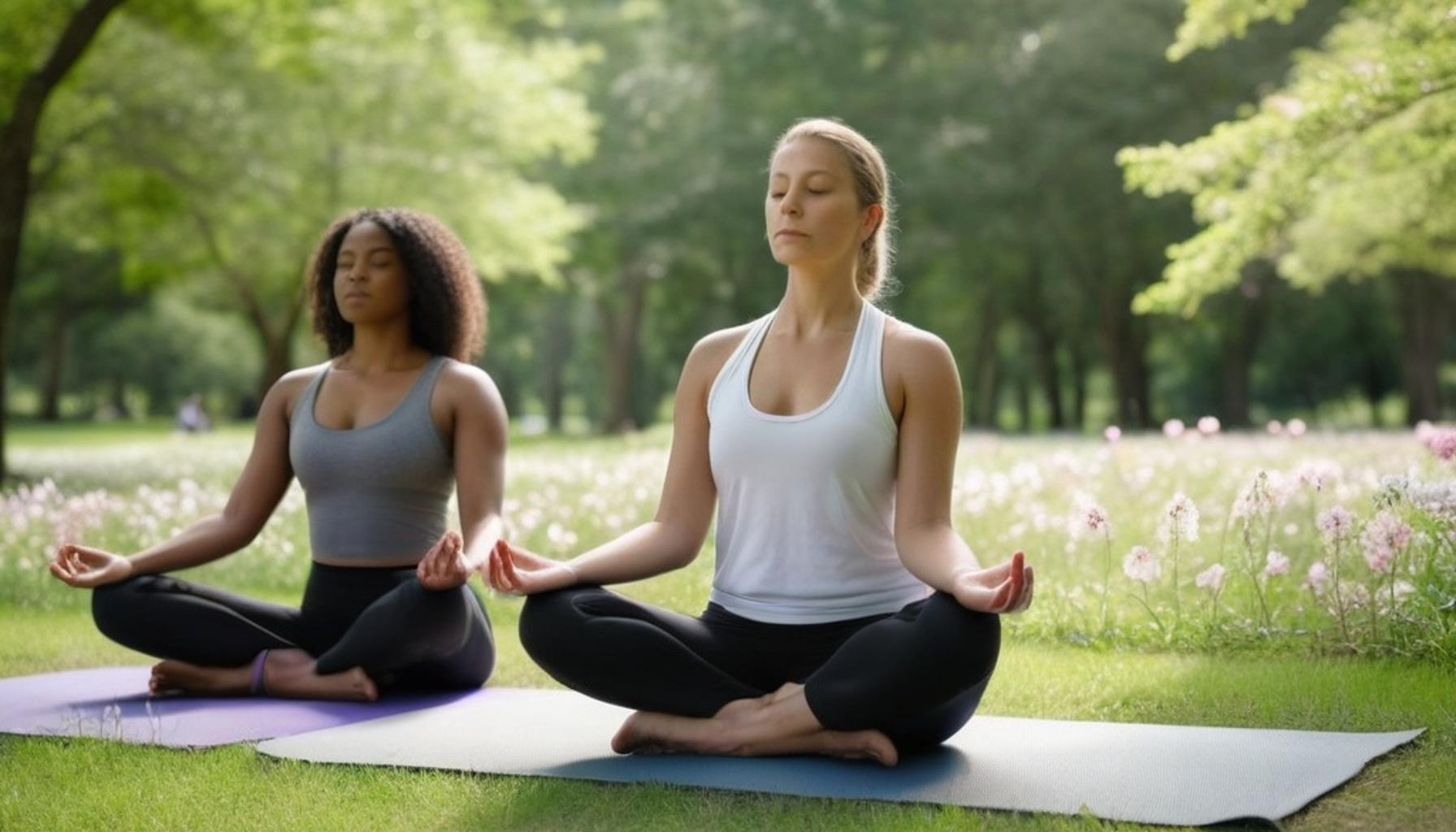
The Importance of Daily Meditation for Mental Health
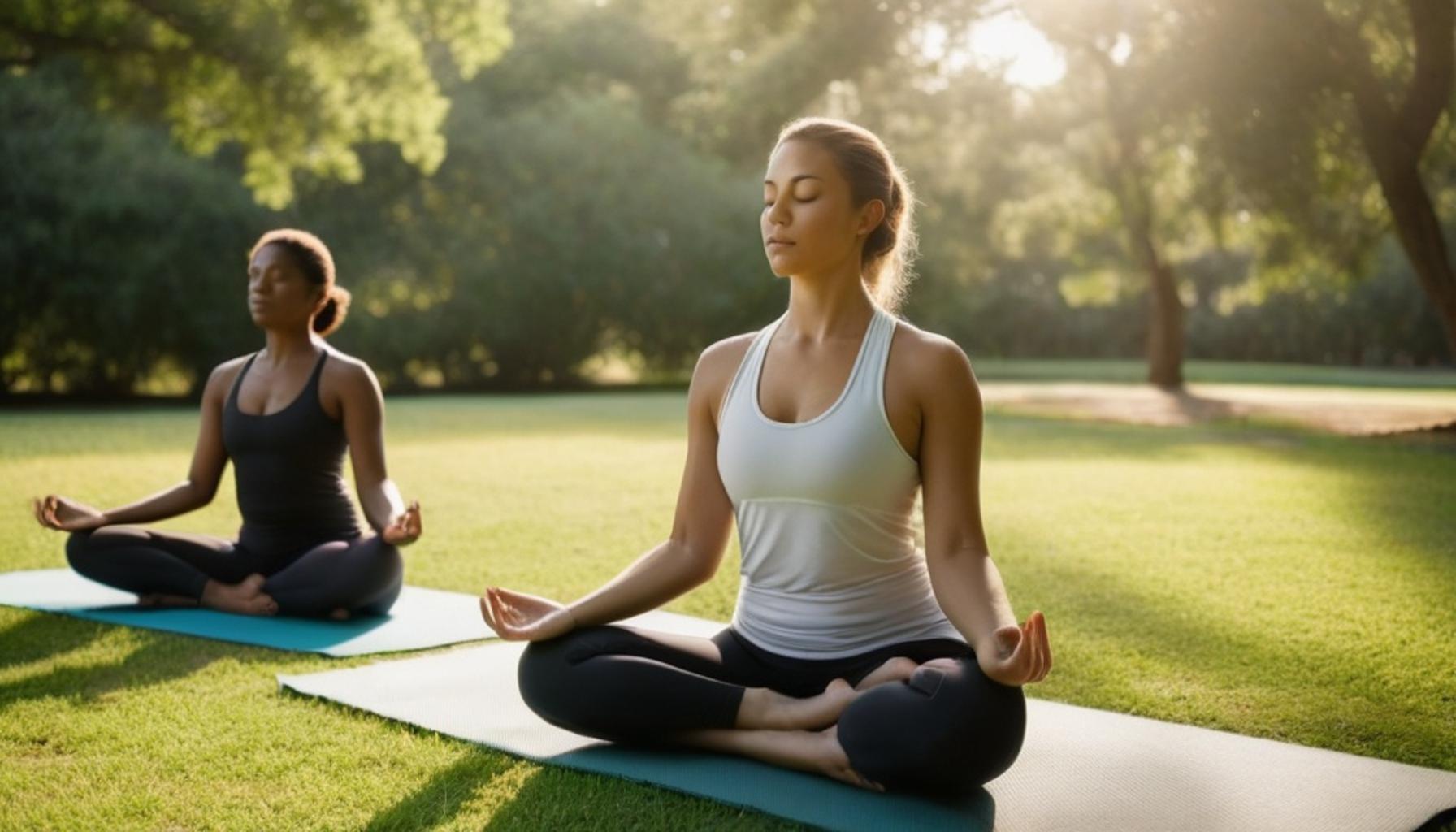
Why Daily Meditation for Mental Health Deserves Your Attention
Stress levels among American adults have reached historic highs, with the American Psychological Association reporting that 77% of people experience physical symptoms caused by stress. Headaches, fatigue, and disrupted sleep have become everyday companions for millions navigating job pressures, financial uncertainty, and the relentless pace of modern life. Amid this crisis, a simple, ancient practice is gaining renewed scientific credibility, offering a counterbalance to the chaos that defines so much of daily existence.
Welcome to the growing conversation around daily meditation for mental health. From Silicon Valley boardrooms to New York City subway commuters using meditation apps, this practice has moved from spiritual niche to mainstream wellness tool. Even professional sports teams and Fortune 500 companies now incorporate mindfulness training into their culture, signaling a shift in how Americans view mental discipline.
What Science Is Discovering
Researchers at Harvard and Johns Hopkins have documented measurable changes in brain structure among regular meditators. These findings help explain how meditation improves mental health on a biological level, not just anecdotally. Brain scans reveal that consistent practice can physically reshape neural pathways, strengthening regions responsible for calm and clarity while quieting those tied to fear and reactivity.
Key benefits emerging from clinical studies include:
- Reduced activity in the amygdala, the brain’s fear center
- Increased gray matter density linked to emotional regulation
- Lower cortisol levels, the primary stress hormone
- Improved focus and working memory
Some studies even suggest that eight weeks of consistent practice can produce changes comparable to certain therapeutic interventions, a discovery that continues to intrigue neuroscientists and clinicians alike.
A Practice for Everyone, Not Just Monks
The benefits of meditation for mental health aren’t reserved for spiritual retreats or yoga studios. Busy professionals, students, and parents across the country are finding that just 10 minutes a day can shift their emotional baseline, creating noticeable improvements in patience, mood, and overall resilience against daily stressors.
Popular daily meditation practices now include:
- Guided app-based sessions during morning coffee
- Breathing exercises before high-pressure meetings
- Body scan techniques before bedtime
- Walking meditation during lunch breaks
For those battling persistent worry, specific meditation techniques for anxiety are proving especially effective, offering accessible tools that require no special equipment or prior experience. This article explores exactly how, why, and where to begin.
CHECK OUT: The Importance of Mindfulness Practice in Mental Health and Well-Being
The Anxiety Epidemic and Where Meditation Fits In
Anxiety disorders now affect more than 40 million American adults every year, according to the Anxiety and Depression Association of America, making it the most common mental health issue in the country. Yet fewer than half of those affected ever receive treatment. This gap between suffering and support has pushed many people toward accessible, low-cost alternatives, and daily meditation for mental health has emerged as one of the most talked-about options.
Unlike prescription medication or weekly therapy sessions, meditation requires no insurance approval, no waiting list, and no co-pay. It simply requires a willingness to sit still and breathe with intention. That accessibility is precisely why mental health professionals across the country, from California wellness clinics to Midwest community centers, are recommending it as a complementary tool rather than a replacement for clinical care.
Understanding the Mental Health Benefits of Mindfulness
The mental health benefits of mindfulness extend well beyond a temporary sense of calm. Mindfulness, the foundation of most meditation practices, trains the brain to observe thoughts without becoming consumed by them. This shift in perspective can be transformative for people who feel trapped in cycles of overthinking or catastrophic worry.
Clinical trials published in JAMA Internal Medicine found that mindfulness meditation programs produced moderate improvements in anxiety, depression, and pain comparable to those seen with antidepressant use, though without the associated side effects. This finding alone has prompted many physicians to start integrating mindfulness recommendations into standard treatment plans.
Specific outcomes reported by consistent practitioners include:
- Fewer racing thoughts before sleep
- Greater ability to pause before reacting emotionally
- Decreased frequency of panic episodes
- A stronger sense of control during stressful situations
Why Consistency Matters More Than Duration
One misconception keeps people from starting: the belief that meditation requires hours of silence in a candlelit room. In reality, how meditation improves mental health has far more to do with consistency than length of practice.
A study from the University of California, San Francisco, found that practicing for short periods daily produced better emotional regulation outcomes than longer, sporadic sessions. This means a commuter meditating for five minutes on the subway every morning may see greater benefits than someone who meditates for an hour only once a week.
This insight has reshaped how daily meditation practices are marketed and taught, shifting the focus from intensity to habit formation, a change that makes the practice far more realistic for people juggling careers, family obligations, and packed schedules.
DIVE DEEPER: Click here to discover the benefits of variety in your exercise routines
# The Science Behind the Calm: What’s Happening in the BrainNeuroscientists have spent the last two decades trying to answer a deceptively simple question: does meditation actually change the brain, or does it just change how people feel about their brains? The answer, according to imaging studies from Harvard Medical School, is both, and the physical evidence is striking.Researchers using MRI scans found that participants who completed an eight-week mindfulness program showed measurable increases in gray matter density in the hippocampus, the region responsible for learning and emotional regulation. At the same time, gray matter in the amygdala, the brain’s fear center, decreased. This is not a placebo effect. It is structural change that helps explain how meditation improves mental health at a biological level.
Meditation Techniques for Anxiety That Actually Work
Not all meditation styles produce the same results, and anxiety sufferers in particular benefit from specific approaches rather than a one-size-fits-all method. Among the most effective meditation techniques for anxiety studied by clinicians are:- Body scan meditation, which redirects attention away from spiraling thoughts and toward physical sensation- Loving-kindness meditation, shown to reduce social anxiety and self-criticism- Breath-focused meditation, useful for interrupting panic responses in real time- Guided visualization, often recommended for people who struggle with sitting in silenceVeterans Affairs hospitals across the country have started incorporating several of these techniques into PTSD treatment programs, reporting reduced hypervigilance among participants after just six weeks of consistent practice.
Workplace Stress and the Rise of Corporate Mindfulness Programs
American employers have taken notice. Companies including Google, Aetna, and General Mills now offer in-house meditation programs, not out of altruism alone, but because the return on investment has been quantifiable. Aetna reported that employees who participated in its mindfulness program gained an average of 62 minutes of productivity per week, translating to an estimated $3,000 per employee annually.This corporate shift reflects a broader recognition of the benefits of meditation for mental health in high-pressure environments. Workplace stress remains one of the leading contributors to burnout, and traditional wellness perks like gym memberships have not moved the needle the way structured mindfulness training has.
What This Means for the Average Person
The takeaway extends beyond office culture. If meditation can measurably reduce stress in high-stakes corporate settings, its potential for everyday anxiety management becomes even more compelling.People experimenting with daily meditation practices at home are increasingly turning to apps like Headspace and Calm, both of which report millions of active subscribers nationwide. This growing demand signals something important: Americans are actively searching for tools that address mental health at its root, rather than simply managing symptoms as they arise.
Daily Meditation for Mental Health: The Bottom Line
The evidence gathered from Harvard laboratories, Veterans Affairs hospitals, and Fortune 500 boardrooms points to the same conclusion: daily meditation for mental health is no longer a fringe wellness trend but a practice backed by measurable science. From shrinking amygdalas to growing hippocampal tissue, the biological case has moved well beyond anecdote.
What makes this story compelling is not just the individual benefit but the scale of adoption. When companies like Google and Aetna quantify productivity gains in dollars and minutes, and when millions of Americans download apps like Calm and Headspace, a cultural shift becomes undeniable. People are no longer asking whether meditation works. They are asking how to fit it into their morning routine.
Understanding how meditation improves mental health also reframes the conversation around treatment. Instead of viewing mindfulness as a substitute for therapy or medication, the smarter approach treats it as a complementary tool, one that addresses stress and anxiety before they escalate into something clinical.
- Consistency matters more than duration, with even ten minutes a day showing measurable results
- Technique should match the specific challenge, whether that is anxiety, insomnia, or workplace burnout
- Structural brain changes suggest long-term practice offers compounding returns, not just temporary relief
The mental health benefits of mindfulness extend far beyond momentary calm. They represent a shift in how the brain processes fear, stress, and emotional regulation over time. As more employers, clinicians, and everyday Americans integrate these practices into daily life, the real question is no longer whether meditation belongs in mainstream healthcare. It is how quickly the rest of the country will catch up to what the research has already confirmed.
Frequently Asked Questions
How long should I meditate each day to see mental health benefits?
Research suggests that even 10 to 15 minutes of daily meditation can reduce symptoms of anxiety and stress. Consistency matters more than duration, so starting with short sessions and gradually increasing the time tends to yield better long-term results. Many people notice mood improvements within two to four weeks of daily practice.
Can daily meditation help with anxiety and depression?
Yes, studies show that regular meditation, particularly mindfulness-based practices, can lower cortisol levels and reduce symptoms associated with anxiety and depression. It works by helping practitioners observe their thoughts without judgment, which reduces rumination. However, it should complement, not replace, professional treatment for clinical conditions.
What is the best time of day to meditate for mental health benefits?
Morning meditation is often recommended because it sets a calm tone for the day and improves focus before daily stressors arise. That said, evening meditation can help process the day’s stress and improve sleep quality. The best time is ultimately whenever you can maintain consistency, since regularity has the biggest impact on mental health outcomes.
Do I need any special equipment or app to start daily meditation?
No special equipment is necessary; a quiet space and a comfortable seated position are enough to begin. Many people find guided meditation apps like Headspace or Calm helpful for beginners, but free resources like YouTube videos or simple breathing exercises work just as well. What matters most is finding a method that helps you stay consistent.
How does daily meditation physically change the brain to support mental health?
Neuroimaging studies show that consistent meditation can increase gray matter density in areas related to emotional regulation, like the prefrontal cortex, while reducing activity in the amygdala, which governs the stress response. Over time, this rewiring supports better emotional resilience and reduced reactivity to stressors. These changes are often measurable after eight weeks of regular practice.
What should I do if I can’t stop my mind from wandering during meditation?
Mind-wandering is completely normal, even for experienced meditators, so the goal isn’t to eliminate thoughts but to notice them without judgment and gently return focus to your breath. Using an anchor, such as counting breaths or a guided audio, can make this easier for beginners. Over time, this practice itself strengthens the mental health benefits, since redirecting attention builds greater self-awareness and control.

Linda Carter
Linda Carter is a writer specializing in healthy habits and balanced living. With extensive experience helping readers build sustainable routines, she shares practical guidance on nutrition, physical activity, quality sleep, stress management, and emotional well-being. Her goal is to offer simple, accessible strategies that inspire people to care for their health and enjoy a more balanced life.