Relaxation Techniques to Improve Sleep Quality
Why Millions of Americans Are Turning to Sleep Relaxation Methods
At 2 a.m., staring at the ceiling, roughly 1 in 3 adults in the United States is doing the same thing: fighting insomnia. The Centers for Disease Control and Prevention reports that over a third of Americans don’t get the recommended seven hours of sleep, and stress is often the culprit. From a nurse finishing a night shift in Chicago to a startup founder in San Francisco checking emails until midnight, the causes vary, but the outcome is the same: a nation running on fumes.
The economic and health consequences are staggering. Sleep deprivation costs the U.S. economy an estimated $411 billion annually in lost productivity, according to research from the RAND Corporation. Beyond the dollars, chronic sleep loss has been linked to heart disease, weakened immune function, and mental health struggles, making the search for solutions more urgent than ever.
That’s where Relaxation Techniques for Sleep enter the conversation. These science-backed practices calm the nervous system, quiet racing thoughts, and prepare the body for rest. Unlike sleeping pills, they carry no risk of dependency and can be practiced anywhere, from a Brooklyn apartment to a Texas ranch house. No prescription, no side effects, just a shift in how the body and mind wind down at the end of the day.
What makes these techniques particularly appealing is their accessibility. A single mother juggling two jobs in Atlanta doesn’t need a expensive gym membership or specialized equipment. A retired veteran in Phoenix dealing with anxiety doesn’t need a therapist on call at midnight. These are tools anyone can learn, often for free, through apps, YouTube tutorials, or simple guided instructions.
What This Guide Covers
Understanding how to improve sleep quality naturally starts with knowing which methods actually work. This article breaks down the most effective, research-supported approaches, separating genuine science from wellness trends that promise much but deliver little.
- Breathing exercises for better sleep, including the popular 4-7-8 technique developed by Dr. Andrew Weil
- Mindfulness for sleep improvement, drawing on practices used in clinical sleep programs across major hospital systems
- Progressive muscle relaxation to release physical tension built up from hours at a desk or behind the wheel
- Simple bedtime rituals that signal the brain it’s time to wind down, borrowed from sleep hygiene research
Each of these sleep relaxation methods targets a different piece of the puzzle, whether it’s an overactive mind or a tense body. Some take less than five minutes; others build into a nightly habit over a few weeks, gradually retraining the body’s response to stress.
What follows are the best relaxation techniques for sleep currently recommended by sleep specialists, explained in practical, easy-to-follow steps designed for real life, not a spa retreat.
LEARN MORE: Impact of Nutrition and Exercise on Sleep Quality: Habits that Transform
# The Science Behind Why Relaxation Techniques WorkBefore diving into specific methods, it helps to understand what’s actually happening inside the body when stress hijacks sleep. The nervous system operates in two primary modes: fight-or-flight and rest-and-digest. Most Americans spend their days, and often their nights, stuck in the former, caught in a biological limbo that makes genuine rest feel almost impossible to reach.
The Nervous System’s Role in Sleepless Nights
When cortisol and adrenaline flood the bloodstream, the body interprets this as a signal to stay alert, not to drift off. A racing heart, shallow breathing, and tense muscles are the body’s way of preparing for danger, even when the only threat is an overflowing inbox or a stack of unpaid bills. This mismatch between perceived threat and actual danger is at the heart of most modern sleep struggles.
Relaxation Techniques for Sleep work by directly countering this response. They activate the parasympathetic nervous system, essentially flipping a biological switch that tells the body it’s safe to power down. Research published in the Journal of Clinical Sleep Medicine has shown that consistent relaxation practice can reduce the time it takes to fall asleep by nearly 50 percent in people with mild to moderate insomnia. That statistic alone should make anyone tossing and turning at 2 a.m. sit up and take notice.
This isn’t a placebo effect. Functional MRI studies have documented measurable changes in brain activity during relaxation exercises, particularly reduced activity in the amygdala, the region responsible for processing fear and stress. A calmer amygdala means fewer intrusive thoughts at bedtime, which is often the real barrier to rest. Scientists studying these patterns have found that the brain essentially rehearses calm the same way it rehearses panic, meaning repeated practice builds a kind of neurological muscle memory for relaxation.
Why Modern Life Makes Sleep Harder Than Ever
Blue light from smartphones, irregular work schedules, and constant notifications have created what sleep researchers call a “24/7 alert culture.” Understanding how to improve sleep quality requires recognizing these modern obstacles first, since no relaxation technique can fully compensate for a lifestyle actively working against the body’s natural rhythms.
- Screen exposure before bed suppresses melatonin production by up to 50 percent, according to Harvard Medical School research
- Shift workers, roughly 16 percent of the U.S. workforce, face circadian rhythm disruptions that standard advice often ignores
- Chronic low-grade stress keeps cortisol levels elevated well into the evening, delaying the body’s natural wind-down process
- Caffeine consumption patterns, especially the afternoon coffee run common in American office culture, can linger in the system for six hours or more
Given these realities, sleep relaxation methods aren’t a luxury or a wellness trend. They’re a practical countermeasure to a lifestyle that’s fundamentally at odds with restful sleep. The techniques explored in this guide, from breathing exercises for better sleep to mindfulness for sleep improvement, offer a way to work with the body’s biology rather than against it. Think of them as a reset button, one that costs nothing and requires no prescription.
What’s particularly striking is how quickly these methods can produce results. Unlike medication, which often requires weeks to reach full effectiveness, many relaxation techniques show measurable benefits within the first few nights of consistent practice. Sleep specialists point out that this rapid response is part of what makes these approaches so appealing to people who are skeptical of pills or hesitant to rely on them long term.
Perhaps the most compelling part of this story is how accessible the science has become. What once required a lab and a team of researchers to observe can now be tracked through wearable devices and smartphone apps, giving everyday people a window into their own nervous system responses. That kind of feedback loop, seeing heart rate variability improve or noticing a drop in nighttime awakenings, often motivates people to stick with these practices long enough to see real change.
LEARN MORE: Nighttime Rituals: Creating a Relaxing Routine to Improve Sleep
Proven Methods That Deliver Real Results
With the biology established, the next question is obvious: which techniques actually work, and how do they stack up against each other? Sleep researchers have spent decades testing different approaches, and the data reveals some clear frontrunners among the best relaxation techniques for sleep. What separates the winners from the wishful thinking is measurable evidence, not just anecdotes swapped at dinner parties.
Breathing Exercises: The Fastest Entry Point
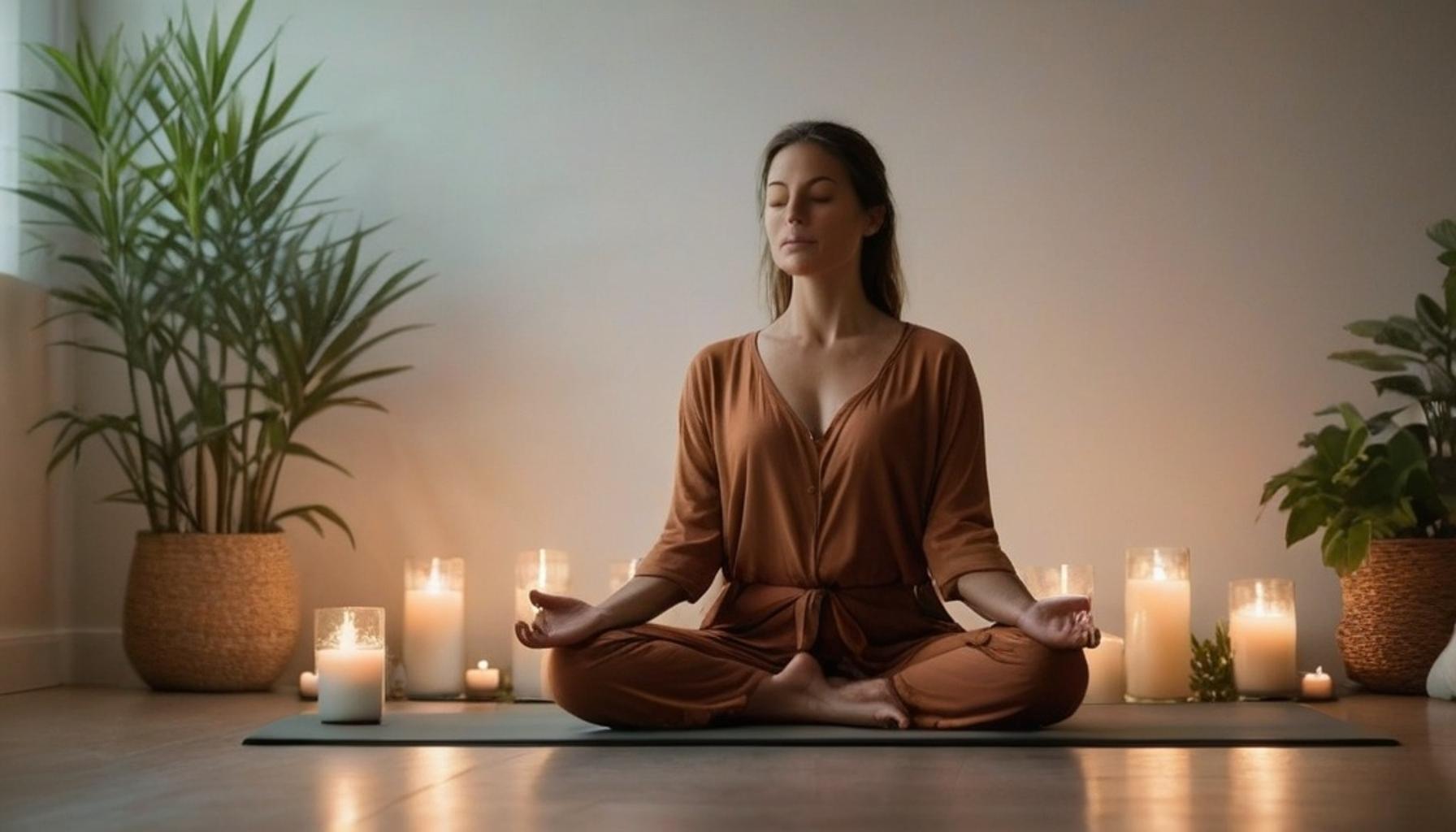
Among all methods studied, controlled breathing tends to produce the quickest measurable shift in the nervous system. The 4-7-8 technique, popularized by Dr. Andrew Weil, asks practitioners to inhale for four counts, hold for seven, and exhale for eight. This pattern forces the exhale to last longer than the inhale, which naturally slows heart rate. Within a few cycles, many people notice their shoulders dropping and their jaw unclenching, small physical cues that the body is shifting gears.
Breathing exercises for better sleep work because they give the mind a single, simple task to focus on, crowding out the mental chatter that typically fuels insomnia. A 2019 study in the journal Applied Psychophysiology and Biofeedback found that participants practicing slow diaphragmatic breathing for just ten minutes before bed reported falling asleep faster and waking less frequently during the night. Researchers noted that the effect seemed to compound with consistency, suggesting this isn’t a one-and-done fix but a skill that improves with repetition.
- Box breathing, four counts in, four counts hold, four counts out, four counts hold, is popular among military personnel for calming pre-mission nerves and translates well to bedtime use, particularly for people who like structure and counting
- Diaphragmatic breathing, where the belly rises rather than the chest, increases vagal tone, a key marker of parasympathetic activation, and can be practiced lying flat with a hand on the stomach to check technique
- Alternate nostril breathing, borrowed from yogic tradition, has shown promise in small clinical trials for reducing pre-sleep anxiety, though larger studies are still catching up to the enthusiasm
Progressive Muscle Relaxation and the Body-Mind Connection
Developed by physician Edmund Jacobson in the 1930s, progressive muscle relaxation involves tensing and then releasing individual muscle groups, moving systematically from the toes up to the face. The logic is straightforward: it’s difficult for the mind to remain anxious when the body is deliberately relaxed. Jacobson’s original research spanned years of clinical observation, and nearly a century later, his framework still holds up under modern scrutiny.
Clinical trials have shown this method reduces symptoms of insomnia in older adults by a notable margin, making it one of the more thoroughly validated sleep relaxation methods available. Physical therapists often recommend it to patients dealing with tension headaches or chronic back pain, since the same mechanism that eases muscle tightness also quiets the mind. Some sleep clinics across the country now pair this technique with cognitive behavioral therapy for insomnia, creating a combined approach that addresses both the physical and psychological sides of restlessness.
Mindfulness and Guided Meditation
Mindfulness for sleep improvement has moved from niche wellness circles into mainstream medicine, largely because the evidence keeps accumulating. A widely cited study from the University of Southern California found that participants who practiced mindfulness meditation experienced significantly fewer symptoms of insomnia and fatigue compared to those who simply followed standard sleep hygiene advice. The gap between the two groups was wide enough that researchers flagged it as clinically meaningful, not just a statistical footnote.
Apps like Calm and Headspace have made guided sessions accessible to millions of Americans, often featuring body scan exercises that direct attention slowly across the body, releasing tension without the active muscle work required in progressive relaxation. This passive approach appeals to people who find traditional meditation intimidating or difficult to sustain, offering a gentler on-ramp for skeptics who assumed meditation wasn’t for them.
CHECK OUT: The Impact of Sleep Hygiene on Mental Health and Daily Productivity
Finding What Works for Your Own Nights
The science is clear on one point: there’s no single magic fix for restless nights, but there is a well-tested toolkit. From slow diaphragmatic breathing to progressive muscle relaxation and mindfulness meditation, each method taps into the same underlying goal, shifting the body out of high alert and into genuine rest. The research spanning decades and multiple institutions confirms these aren’t wellness trends destined to fade; they’re mechanisms with measurable, repeatable effects on the nervous system.
What stands out across the studies is consistency. Relaxation techniques for sleep rarely work as a single dose. They work as a practice, something rehearsed nightly until the body starts recognizing the cues and responding faster. A person who tries the 4-7-8 method once and gives up after a rough night is missing the compounding benefit that researchers observed in participants who stuck with it for weeks.
Anyone wondering how to improve sleep quality without relying on medication now has a genuinely evidence-backed starting point. The choice between breathing exercises, muscle relaxation, or guided meditation often comes down to personality and lifestyle rather than which one is objectively superior. Some people respond better to structured counting, others to passive body scans played through an app before lights out.
It’s worth remembering that these approaches complement, rather than replace, solid sleep hygiene, consistent schedules, limited screen exposure, a cool dark room. Combined, they form a layered defense against the kind of chronic sleep disruption that affects millions of Americans every year.
The next step is simple: pick one technique, commit to it for at least two weeks, and pay attention to what shifts. Sleep science keeps evolving, and paying attention to new findings may reveal even more refined tools ahead.
Frequently Asked Questions
What is the most effective relaxation technique for sleep if I only have 10 minutes before bed?
Progressive muscle relaxation or diaphragmatic breathing are among the fastest ways to calm your nervous system in a short window. Simply tensing and releasing muscle groups from your toes to your head, paired with slow belly breathing, can lower heart rate and signal your body it’s safe to rest. Doing this consistently for even 10 minutes nightly trains your body to associate the routine with sleep onset.
How long does it take for relaxation techniques for sleep to actually work?
Some techniques like deep breathing or body scans can produce a noticeable calming effect within just a few minutes. However, for lasting improvements in sleep quality, most people need to practice consistently for two to four weeks before their brain fully associates the technique with falling asleep. Patience and daily repetition matter more than perfecting any single method.
Can relaxation techniques help with sleep anxiety or racing thoughts at night?
Yes, techniques like guided imagery, 4-7-8 breathing, and mindfulness meditation are specifically effective at interrupting anxious thought loops. They work by shifting your attention away from worry and activating the parasympathetic nervous system, which counteracts the fight-or-flight response keeping you awake. Journaling worries earlier in the evening can also reduce nighttime rumination.
Is it better to do relaxation techniques in bed or before getting into bed?
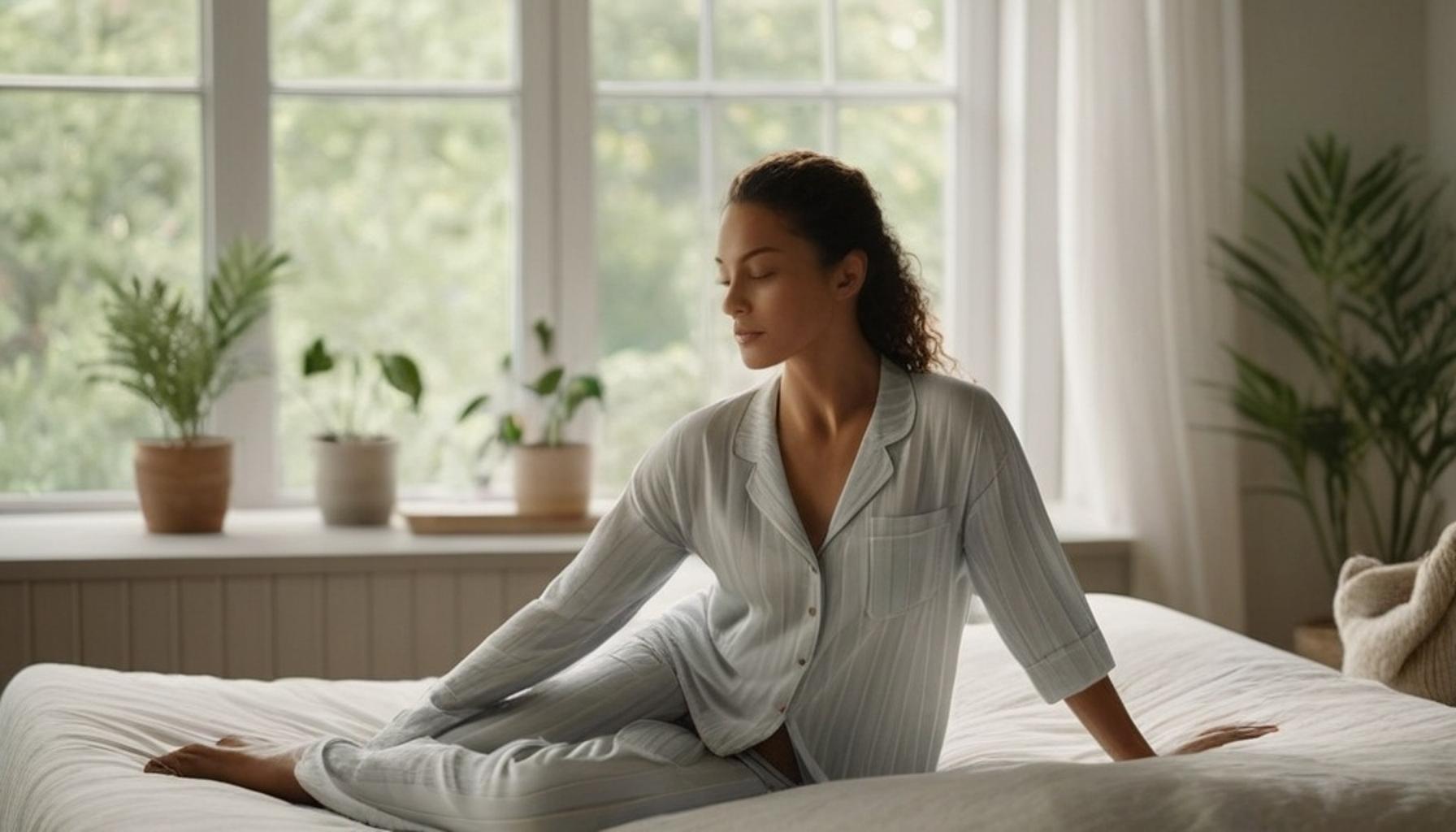
Gentle techniques like breathing exercises or a body scan work well once you’re already in bed since they help you drift off directly. More active practices, such as gentle yoga stretches or progressive muscle relaxation involving movement, are often better done beforehand so you’re not fully alert when you lie down. The key is choosing a method that transitions smoothly into stillness.
Do relaxation apps or white noise machines actually improve sleep quality?
Sleep apps offering guided meditations, breathing exercises, or soundscapes can be helpful tools, especially for beginners who need structure. White noise machines mask disruptive sounds and create a consistent auditory environment that supports uninterrupted sleep. That said, they work best as a supplement to good sleep hygiene, not a replacement for it.
Why do relaxation techniques for sleep sometimes fail to work for me?
If relaxation techniques aren’t helping, it may be due to inconsistent practice, an overstimulating environment, or underlying issues like caffeine intake, screen exposure, or untreated anxiety. It’s also common to feel frustrated if you expect immediate results rather than giving the technique time to become a habit. If problems persist for several weeks, consulting a sleep specialist can help rule out conditions like insomnia or sleep apnea.

Linda Carter
Linda Carter is a writer specializing in healthy habits and balanced living. With extensive experience helping readers build sustainable routines, she shares practical guidance on nutrition, physical activity, quality sleep, stress management, and emotional well-being. Her goal is to offer simple, accessible strategies that inspire people to care for their health and enjoy a more balanced life.