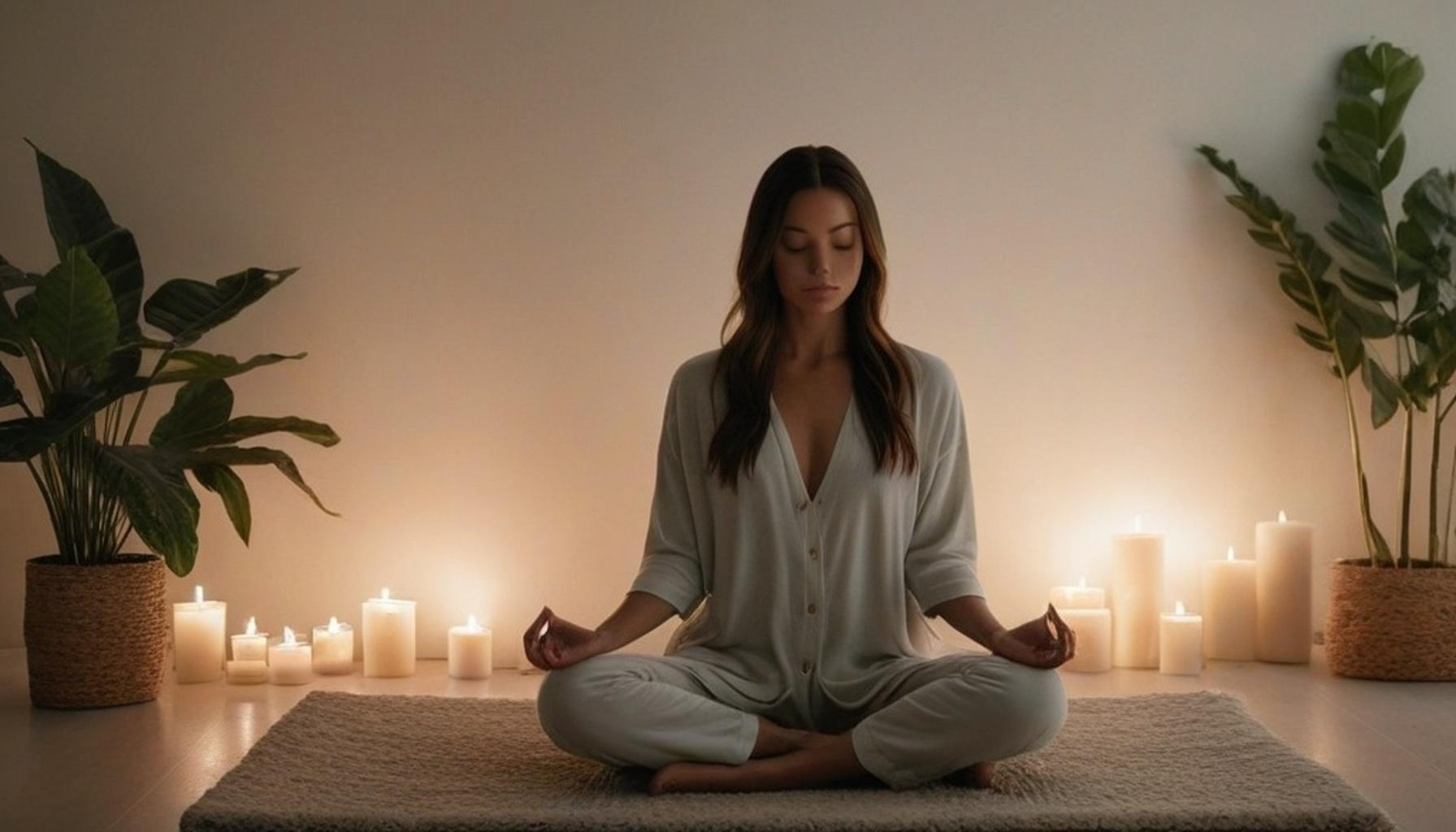
Nighttime Rituals: Creating a Relaxing Routine to Improve Sleep

Why Your Evening Habits Matter More Than You Think
Nearly 1 in 3 American adults doesn’t get enough sleep, according to the CDC. While countless factors affect rest, what you do in the hours before bed often makes the biggest difference. Think about your own routine—do you scroll through your phone until your eyes finally give out, or do you have a deliberate wind-down process? For most Americans juggling work emails, family responsibilities, and the constant hum of notifications, the answer leans toward the former.
This is where nighttime rituals come into play. A thoughtful, relaxing bedtime routine can signal your brain that it’s time to wind down, making it easier to fall—and stay—asleep. Researchers at institutions like the National Sleep Foundation have found that consistency in evening behavior directly correlates with how quickly someone falls asleep and how restorative that sleep actually is.
The Science Behind Sleep Hygiene
Sleep researchers consistently point to sleep hygiene practices as a foundation for better rest. These aren’t complicated rules, but simple, repeatable actions that train your body’s internal clock, known scientifically as the circadian rhythm. When this internal clock gets consistent cues, it releases melatonin—the hormone responsible for drowsiness—right on schedule.
- Dimming lights an hour before bed
- Avoiding screens and blue light exposure
- Sticking to a consistent sleep schedule
- Creating a cool, dark bedroom environment
Interestingly, experts suggest keeping bedroom temperatures between 60 and 67 degrees Fahrenheit for optimal rest. That’s a detail many people overlook, cranking up the thermostat when a slightly cooler room might actually help them drift off faster.
What This Article Covers
Curious about practical tips for better sleep that fit into a busy American lifestyle? This guide breaks down proven evening relaxation techniques, from calming teas like chamomile and valerian root to breathing exercises such as the popular 4-7-8 method, which has gained traction among wellness enthusiasts nationwide.
You’ll also discover how small, intentional changes—like swapping your late-night phone scroll for a few pages of a paperback book—can improve sleep quality without requiring a complete lifestyle overhaul. Whether you’re a night-shift worker, a parent juggling early mornings, or someone who simply wants to stop counting sheep, there’s something here worth trying. Better nights start with better evenings—let’s explore how to build yours, one small habit at a time.
LEARN MORE: The Impact of Sleep Hygiene on Mental Health and Daily Productivity
Roughly one-third of American adults report not getting enough sleep on a regular basis, according to the Centers for Disease Control and Prevention. Yet the fix isn’t always about buying a new mattress or downloading the latest sleep-tracking app. Often, it’s about what happens in the hour and a half before your head hits the pillow.
Building effective nighttime rituals doesn’t require a complete life overhaul or expensive gadgets. It starts with understanding what your body needs in those crucial pre-sleep hours, then structuring your evening around those needs consistently. Think of it less as a wellness trend and more as basic biological maintenance—something your ancestors did naturally when darkness simply meant it was time to slow down.
Most sleep experts recommend starting your wind-down process 60 to 90 minutes before your intended bedtime. This window gives your body enough time to transition from the alertness of daily life into the drowsiness that leads to quality rest. During this period, your core body temperature naturally begins to drop, and melatonin production ramps up—assuming you haven’t sabotaged the process with bright screens or a late-night espresso.
Creating Your Personal Wind-Down Timeline
Think of your evening as a series of decreasing stimulation levels. You’re essentially training your brain to expect sleep, much like how a toddler’s bedtime routine works—except now you’re the one benefiting from the predictability. Parents who swear by consistent bedtimes for their kids often forget that adults respond to the same cues.
A relaxing bedtime routine might look something like this:
- 90 minutes before bed: Finish eating and turn off work notifications
- 60 minutes before bed: Dim household lights and switch off overhead lighting
- 45 minutes before bed: Put away phones, tablets, and laptops
- 30 minutes before bed: Engage in a calming activity like reading or stretching
- 15 minutes before bed: Practice a breathing exercise or meditation
This isn’t a rigid formula—it’s a framework. Some people need more time, others less, depending on factors like stress levels, caffeine intake, or even the season. The key is consistency, night after night, so your circadian rhythm gets the memo.
Why Timing Trumps Perfection
Here’s something worth noting: research from Harvard Medical School suggests that irregular sleep patterns can be just as disruptive as insufficient sleep itself. In other words, going to bed at 10 p.m. on Tuesday and 1 a.m. on Wednesday confuses your internal clock more than consistently getting seven hours nightly, even if that consistent schedule isn’t perfectly optimal.
This is particularly relevant for Americans working non-traditional schedules. Nurses, retail managers, and remote workers with flexible hours often struggle here, but the principle remains the same: your body craves predictability more than it craves perfection. A night-shift nurse who consistently sleeps from 8 a.m. to 3 p.m. may actually fare better than someone bouncing between random sleep windows every day.
Small Nudges, Big Results
Simple sleep hygiene practices amplify this consistency. Setting a phone alarm—not just for waking up, but for when to start winding down—can be surprisingly effective. It’s a small nudge that removes the guesswork from an otherwise chaotic evening, especially on nights when work emails or family obligations threaten to eat into your schedule.
The goal isn’t to achieve some idealized version of bedtime. It’s to find a rhythm that fits your actual life, then stick with it long enough for your brain to recognize the pattern. That recognition is where the real transformation in sleep quality begins, often within just a few weeks of steady practice.

DISCOVER MORE: Click here to learn about the benefits of hydration
The Science-Backed Elements Worth Adding to Your Routine
Not all evening activities carry equal weight when it comes to sleep quality. Some evening relaxation techniques have decades of research behind them, while others are simply trendy without much substance. Knowing the difference can save you time and help you build a routine that actually works.
Temperature manipulation, for instance, is one of the most underrated tools available. A warm bath or shower taken about 90 minutes before bed triggers a rapid drop in core body temperature afterward, which mimics the natural cooling process that signals sleep onset. Researchers at the University of Texas found that this simple act can help people fall asleep up to 10 minutes faster than those who skip it.
The Role of Light Exposure
Light exposure deserves special attention here, and not just the obvious advice about avoiding phones. Blue light from screens suppresses melatonin production, sure, but the type of light in your home matters too. Standard American living rooms are often lit with cool white overhead lighting, the exact opposite of what promotes drowsiness.
Swapping to warm-toned lamps or dimmer switches in the evening isn’t just aesthetic preference—it’s a legitimate sleep hygiene practice. Some households have started using amber-colored bulbs specifically in bedrooms and bathrooms for nighttime use, a small investment that yields noticeable results within days.
Sound, Scent, and the Overlooked Senses
While light gets most of the attention, sound and smell play underappreciated roles in nighttime rituals. White noise machines, once considered a niche parenting tool, have found their way into millions of adult bedrooms across the country. The consistent hum masks disruptive sounds like traffic or a neighbor’s late-night activities, common complaints in both urban apartments and suburban homes near busy streets.
Scent-based approaches also show promise. A study published in the Journal of Alternative and Complementary Medicine found that lavender exposure before bed improved subjective sleep quality in participants, particularly women. Whether through essential oil diffusers or scented pillow sprays, this low-effort addition costs little and requires no behavioral change beyond a few sprays.
Consider incorporating these sensory elements gradually:
- A white noise machine or fan for consistent background sound
- Lavender or chamomile scents via diffuser or spray
- Blackout curtains to eliminate streetlight interference
- Weighted blankets for those sensitive to touch-based calming cues
Journaling and the Mental Unload
One technique gaining traction among sleep specialists involves simple journaling, specifically the practice of writing down tomorrow’s to-do list before bed. A 2018 study from Baylor University found that participants who spent five minutes writing about upcoming tasks fell asleep significantly faster than those who journaled about completed tasks or didn’t journal at all.
This makes intuitive sense. Racing thoughts about unfinished business are a common barrier to sleep, and offloading them onto paper seems to quiet the mental chatter that keeps so many Americans staring at their ceilings past midnight. It’s a low-cost, high-reward addition to any relaxing bedtime routine, requiring nothing more than a notebook and a few undistracted minutes.
Building a Routine That Actually Sticks
Across every study and expert recommendation, one theme stands out: consistency matters more than perfection. You don’t need to overhaul your entire evening overnight or spend hundreds of dollars on gadgets to see results.
Instead, effective nighttime rituals tend to be built gradually, one small habit layered onto another until they form a routine that feels automatic rather than forced.
Start with just one or two changes. Maybe that means dimming the lights an hour earlier, or swapping a late-night scroll session for five minutes of journaling. Once that becomes second nature, add another element, like a warm shower or a lavender-scented pillow spray.
Why Personalization Beats Perfection
What works for one household in Seattle might not work for a family in Miami dealing with different climate conditions or lifestyle demands. The data-backed sleep hygiene practices outlined throughout this article, from temperature drops to white noise, serve as a menu rather than a checklist.
Pick what resonates with your specific challenges. Someone battling racing thoughts might benefit most from journaling, while a person disturbed by streetlights may find blackout curtains transformative.
The broader takeaway is this: sleep quality in America has declined for decades, driven largely by screens, stress, and irregular schedules. But the fixes don’t require drastic lifestyle changes.
A thoughtfully constructed relaxing bedtime routine can meaningfully improve sleep quality without prescription medication or expensive interventions.
As research continues to validate these evening relaxation techniques, it’s worth experimenting to find your own combination. The best tips for better sleep aren’t universal formulas, they’re personal discoveries built through small, deliberate changes made one night at a time.
Frequently Asked Questions
How long before bed should I start my nighttime rituals?
Begin winding down about 30 to 60 minutes before your target bedtime so your body has time to shift from an alert state to a relaxed one. This window allows you to dim lights, put away screens, and complete calming activities like reading or stretching without rushing. Consistency in timing helps train your internal clock to expect sleep soon after the routine ends.
What are some effective nighttime rituals for reducing stress before sleep?
Deep breathing exercises, gentle yoga stretches, journaling to release worries, and sipping caffeine-free herbal tea like chamomile can all lower stress levels before bed. Progressive muscle relaxation, where you tense and release each muscle group, is also effective for easing physical tension. Choose one or two practices you enjoy so the ritual feels soothing rather than like another task on your to-do list.
Should I avoid screens completely during my nighttime routine?
It’s best to limit screen time at least 30 minutes before sleep because blue light from phones, tablets, and TVs can suppress melatonin production and keep your brain alert. If you must use a device, enable night mode or blue-light filters to reduce the impact. Replacing screen time with reading a physical book or listening to calming music supports a smoother transition into sleep.
How can I create a nighttime ritual that works with a busy or unpredictable schedule?
Focus on a short, flexible sequence of two or three key habits, such as dimming lights, brushing your teeth, and doing a quick stretch, that you can complete in 10 to 15 minutes regardless of the day’s chaos. Keeping the ritual simple makes it easier to stick with even when you get home late or travel. The goal is consistency in the signal you send your brain, not the exact length of time spent on it.
Can nighttime rituals help with insomnia or frequent nighttime waking?
Yes, a consistent nighttime ritual can improve sleep quality by reinforcing your body’s natural sleep-wake cycle and reducing the mental stimulation that often triggers insomnia. Techniques like dimming lights, avoiding heavy meals, and practicing relaxation exercises before bed signal to your brain that it’s time to rest. However, if insomnia or frequent waking persists despite a solid routine, it’s worth consulting a healthcare provider to rule out underlying sleep disorders.

Linda Carter
Linda Carter is a writer specializing in healthy habits and balanced living. With extensive experience helping readers build sustainable routines, she shares practical guidance on nutrition, physical activity, quality sleep, stress management, and emotional well-being. Her goal is to offer simple, accessible strategies that inspire people to care for their health and enjoy a more balanced life.