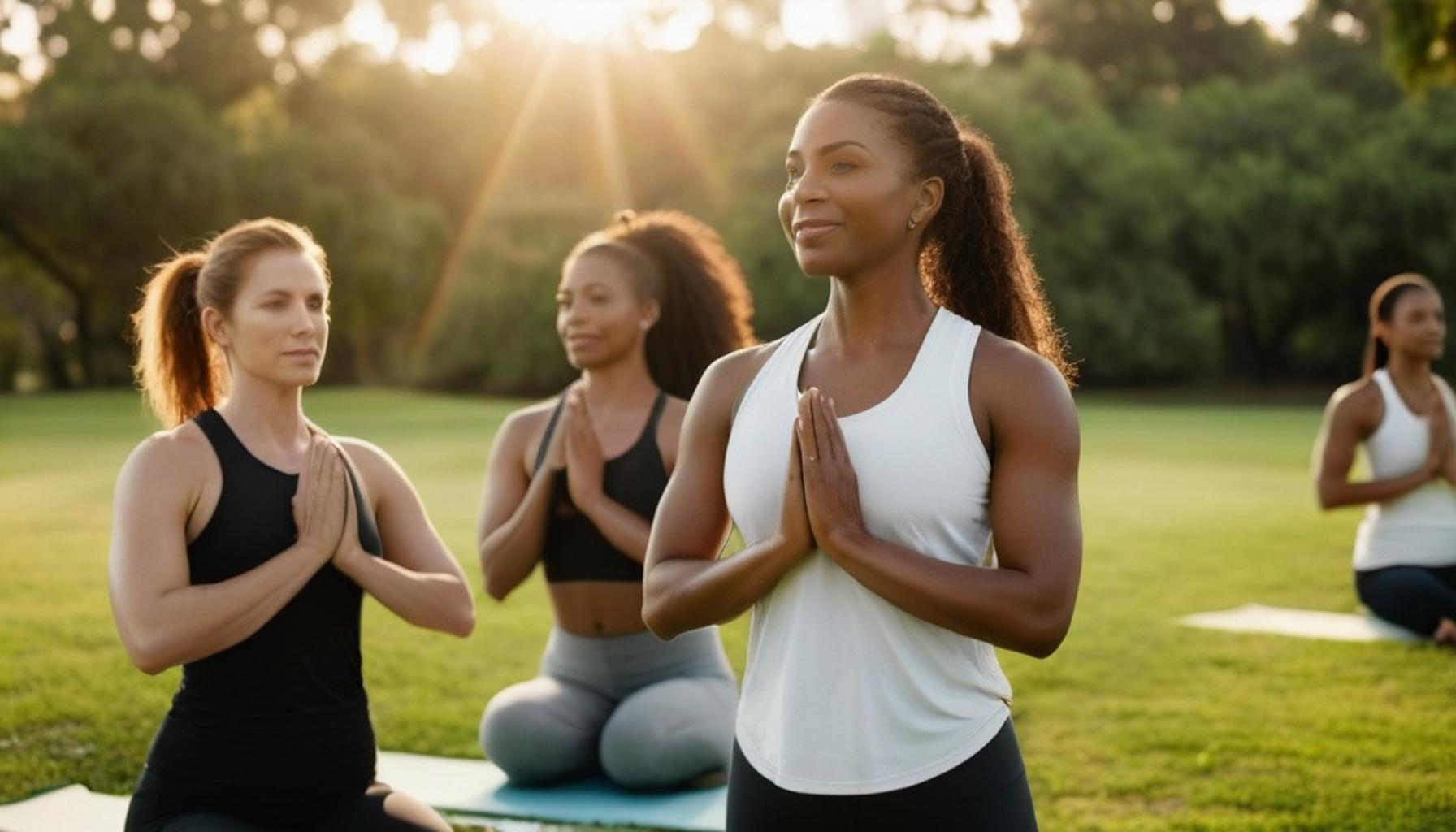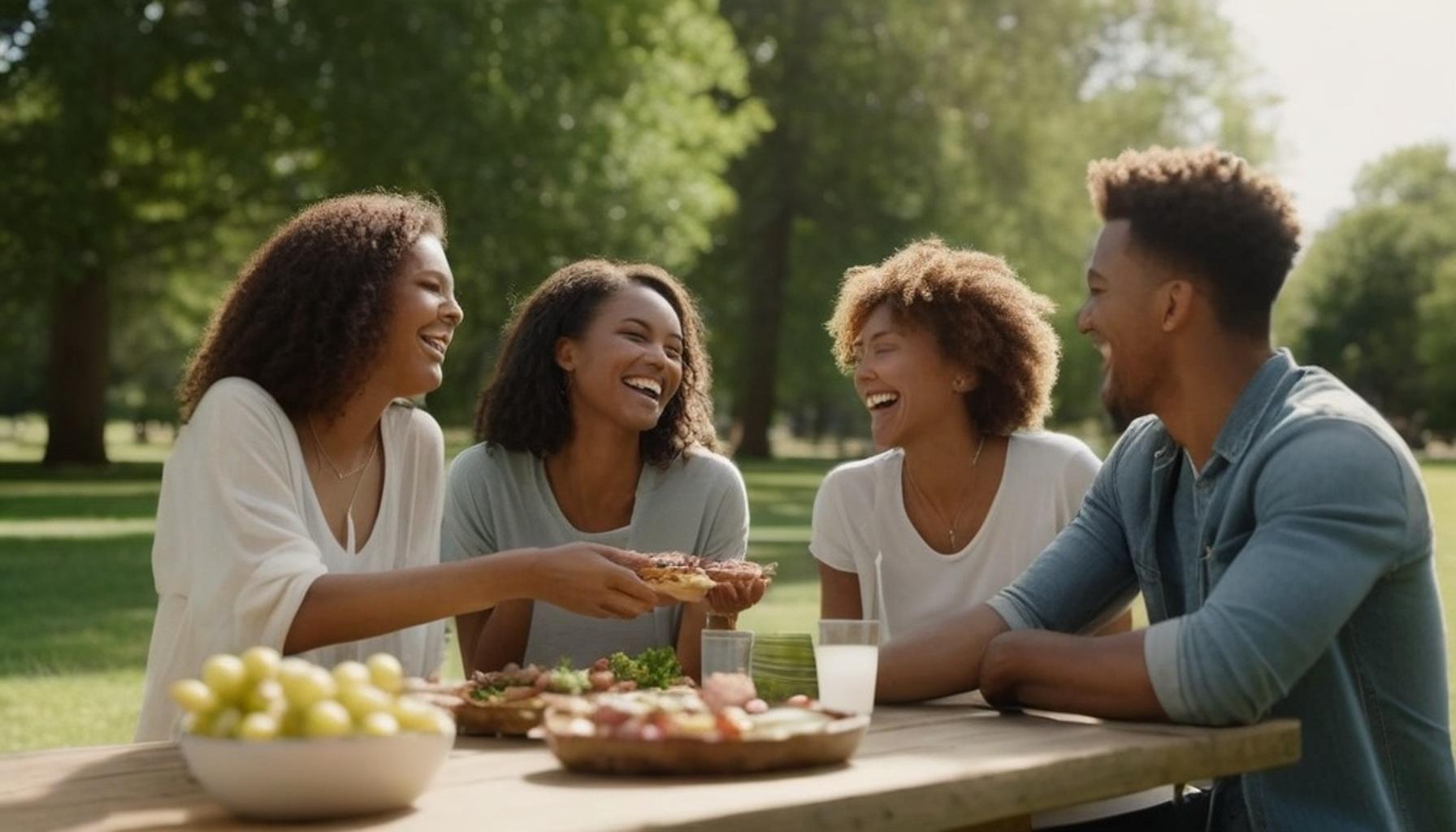
The importance of social connections in promoting healthy habits and emotional balance
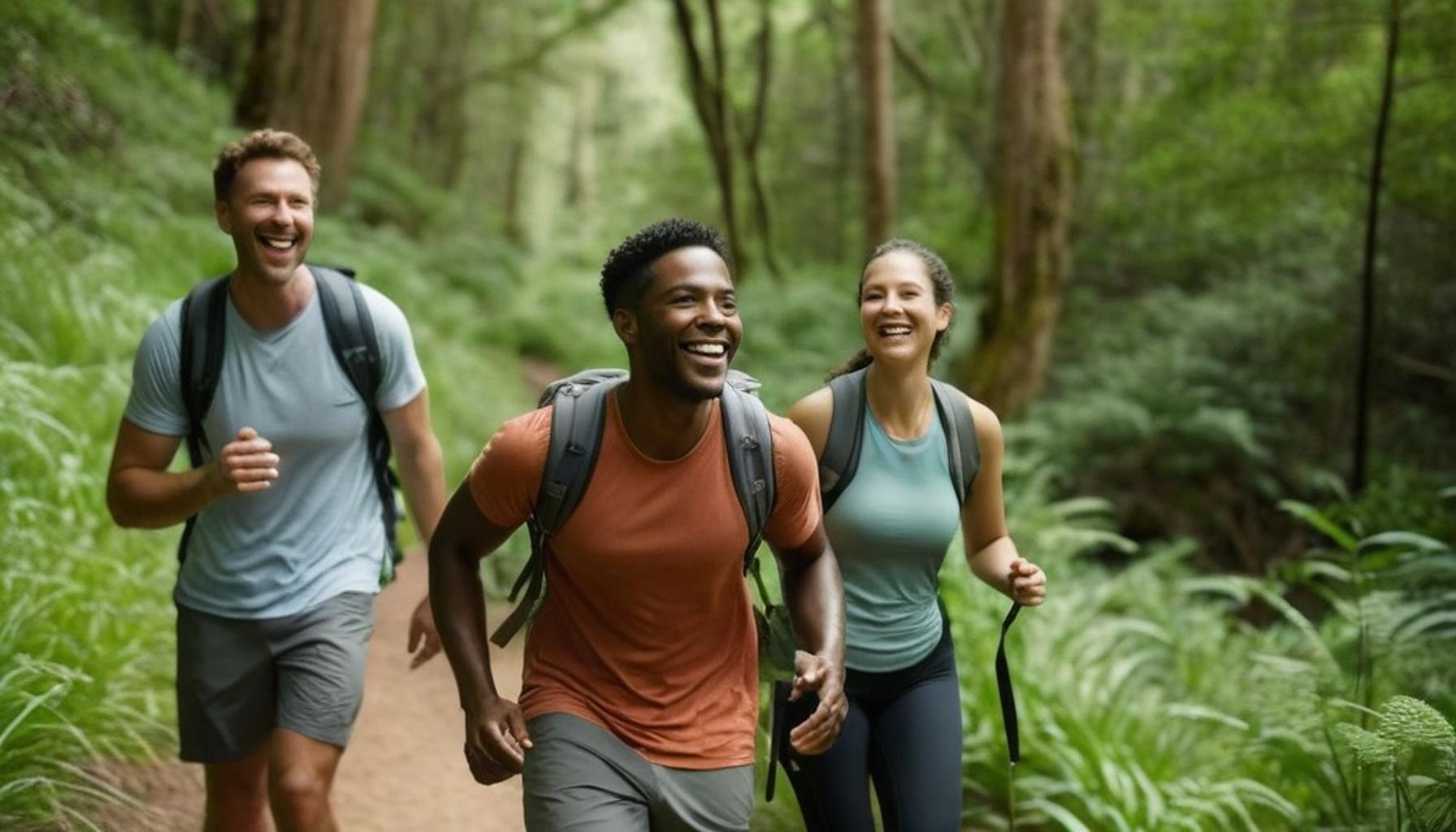
Why Your Social Circle Might Be Your Best Health Investment
Americans are more connected digitally than ever, yet loneliness rates have reached historic highs. Research published by the U.S. Surgeon General reveals that social isolation carries health risks comparable to smoking 15 cigarettes a day. This paradox raises an urgent question: what role do genuine relationships play in our physical and mental well-being?
The answer lies in a growing body of science exploring social connections for healthy habits. From gym buddies to neighborhood support groups, human bonds shape the choices we make every single day. Cities from Portland to Atlanta have even launched community wellness initiatives specifically designed to combat isolation, recognizing that health outcomes improve dramatically when people feel connected to something larger than themselves.
The Hidden Link Between Relationships and Wellness
Studies from Harvard’s long-running adult development research suggest that strong relationships predict longevity better than diet or exercise alone. The importance of social connections extends far beyond emotional comfort—it directly influences behavior. Researchers tracking participants for over eight decades found that those with satisfying relationships at age 50 were significantly healthier at age 80 than their more isolated counterparts, regardless of cholesterol levels or genetic predispositions.
Consider these patterns observed across communities nationwide:
- People with active social networks are more likely to maintain consistent exercise routines
- Shared meals with family or friends often lead to healthier food choices
- Accountability partners increase adherence to medical checkups and treatment plans
- Community involvement reduces stress hormones linked to chronic disease
Interestingly, this effect appears across income brackets and geographic regions. A retiree in rural Iowa who walks daily with neighbors experiences similar cardiovascular benefits to a young professional in Chicago who attends weekly fitness classes with coworkers. The common denominator isn’t the activity itself—it’s the accountability and encouragement that relationships provide.
Emotional Balance Through Social Support
Beyond physical health, relationships serve as emotional anchors during turbulent times. Emotional balance through social support isn’t just a feel-good concept—it’s measurable, with therapy patients reporting faster recovery when supported by strong personal networks. Mental health professionals increasingly incorporate group therapy and peer support programs precisely because isolation often intensifies conditions like depression and anxiety.
Workplace wellness programs across the country have taken notice, too. Companies are experimenting with team-based fitness challenges and mentorship programs, betting that stronger interpersonal bonds translate into lower absenteeism and higher productivity.
This article explores the science behind healthy habits and relationships, offering practical strategies for building social connections for health in an increasingly isolated world. The benefits of social interactions may surprise you, especially as researchers continue uncovering just how deeply intertwined our social lives are with our biological destiny.
DIVE DEEPER: Click here for more on diverse workout routines
How Social Bonds Rewire the Brain for Better Choices
Walk into any CrossFit gym in Austin or a community garden in Minneapolis, and you’ll notice something beyond the obvious activity: people showing up because someone else expects them to. This simple mechanism—accountability rooted in relationship—may explain why social connections for healthy habits matter more than willpower alone.
Neuroscientists have identified a biological basis for this phenomenon. When we interact positively with others, our brains release oxytocin, a hormone that reduces cortisol levels and lowers blood pressure. This isn’t abstract theory; it’s measurable physiology. A 2022 study from Brigham Young University found that individuals with robust social ties had a 50% lower risk of premature death compared to those experiencing chronic isolation, a statistic that rivals the impact of quitting smoking.
What makes this finding particularly striking is the consistency across different populations and age groups. Researchers tracked participants ranging from young adults in urban settings to retirees in rural communities, and the pattern held steady: strong social bonds correlated with better cardiovascular health, improved immune function, and even faster wound healing. Some scientists now argue that loneliness should be treated as seriously as high cholesterol or elevated blood pressure, given its comparable impact on mortality rates.
Why Group Dynamics Outperform Solo Willpower
Anyone who’s tried to stick to a New Year’s resolution alone knows how quickly motivation fades by February. Behavioral scientists call this the “solo effort problem,” and it’s precisely why programs like Weight Watchers and local running clubs have thrived for decades. The presence of others transforms personal goals into shared missions.
This dynamic plays out in measurable ways:
- Participants in group-based weight loss programs lose significantly more weight than those attempting solo diets
- Employees enrolled in workplace step-challenges walk an average of 2,000 more steps daily when paired with colleagues
- Patients recovering from cardiac events show faster rehabilitation when family members actively participate in their care routines
- Sobriety support groups report higher long-term success rates than individual willpower-based approaches
The pattern reveals something fundamental about healthy habits and relationships: humans are wired to respond to social reinforcement, whether it’s a text from a friend asking “did you go for your walk today?” or a Sunday meal-prep session with roommates.
Consider the popularity of run clubs that have exploded in cities like Denver, Chicago, and Nashville. Members often admit they wouldn’t lace up their sneakers on a rainy Tuesday morning if they were only accountable to themselves. But knowing three other people are waiting at the corner coffee shop changes the equation entirely. This isn’t a character flaw—it’s basic human psychology at work, and marketers, gym owners, and public health officials have taken notice.
The Ripple Effect Across Entire Communities
Perhaps most fascinating is how these benefits extend beyond the individual. Research from Framingham, Massachusetts—home to one of the longest-running health studies in American history—found that healthy behaviors spread through social networks like contagion. If a close friend adopts a habit like quitting smoking or exercising regularly, your own likelihood of doing the same increases by nearly 40%.
This ripple effect suggests that building social connections for health isn’t merely a personal wellness strategy; it’s a community-wide investment. Neighborhoods with strong social cohesion, from block parties in Philadelphia to potlucks in small-town Texas, consistently report lower rates of chronic illness and higher overall life satisfaction, reinforcing that our health destinies are far more interconnected than modern individualism suggests.
Public health officials in several states have started designing interventions around this insight, funding community centers, walking trails, and shared meal programs specifically to strengthen social ties rather than simply promoting individual exercise or nutrition advice. Early results from pilot programs in places like Ohio and North Carolina suggest that when residents feel genuinely connected to their neighbors, they’re more likely to adopt and sustain healthier routines over time.
The takeaway seems clear, even if it challenges the American mythology of the self-made individual conquering personal challenges through sheer grit: our wellbeing is deeply relational. The next time you’re debating whether to skip a workout or push through a craving, the presence—or absence—of a supportive community might matter more than you think.
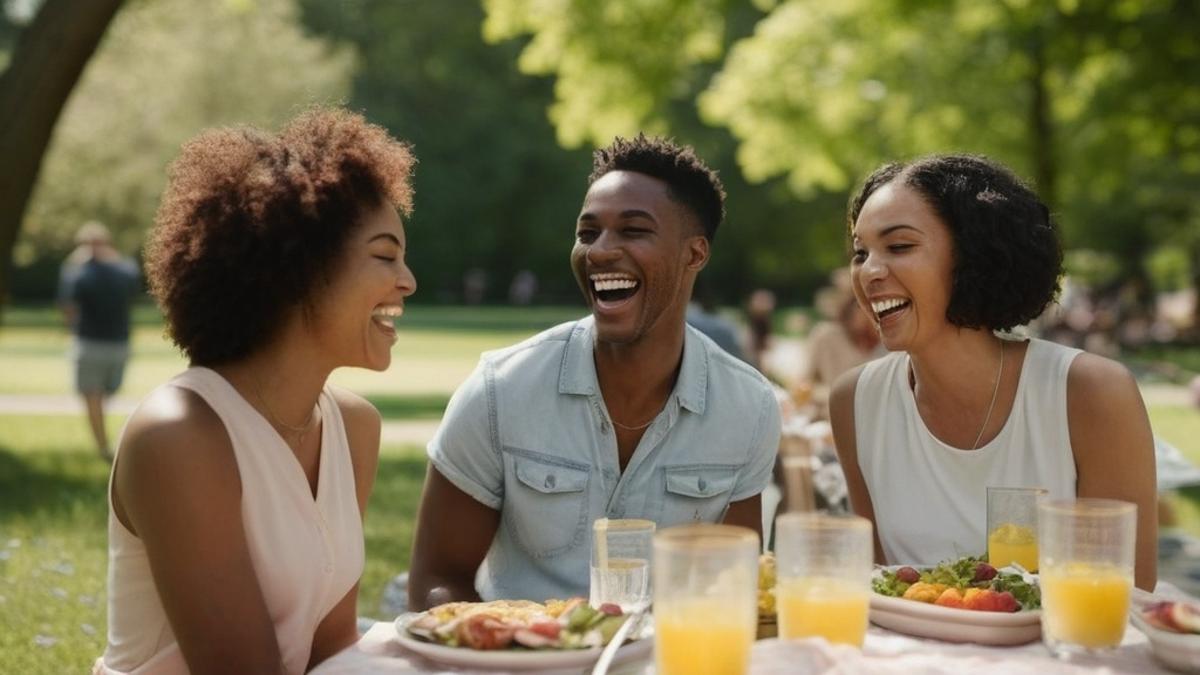
DISCOVER MORE: Click here to delve into mindful eating practices
Emotional Balance Through Social Support: The Hidden Health Metric
Beyond physical health outcomes, there’s a quieter but equally powerful story unfolding in therapy offices and living rooms across the country. Emotional balance through social support has become one of the most studied—and most underrated—factors in mental wellness, particularly as anxiety and depression rates climb among American adults.
The U.S. Surgeon General’s 2023 advisory on loneliness described the condition as a public health crisis, noting that social disconnection carries mortality risks comparable to smoking 15 cigarettes daily. That comparison alone should make anyone pause before dismissing a lonely week as “just a phase.”
What’s less discussed is how social bonds function as a buffer against everyday stress. When researchers at UCLA studied cortisol patterns in working professionals, they found that employees with at least one trusted confidant at work recovered from stressful meetings nearly twice as fast as those without close colleague relationships. The presence of a single supportive person, it turns out, can short-circuit the body’s stress response before it spirals.
Technology’s Double-Edged Role in Modern Connection
Smartphones complicate this picture considerably. Americans spend an average of 4.5 hours daily on mobile devices, yet self-reported loneliness has increased alongside that screen time, not decreased. This paradox has prompted researchers to distinguish between passive scrolling and active engagement.
Video calls with grandparents in Florida, group texts coordinating a weekend hike in the Pacific Northwest, or Discord communities organized around shared hobbies all count as meaningful connection when they involve reciprocal exchange. Passively watching strangers’ vacation photos does not.
Digital tools that strengthen rather than replace in-person bonds tend to produce the best outcomes. Consider these findings:
- Adults who use video calling to maintain long-distance friendships report emotional wellbeing scores similar to those with frequent local contact
- Online support groups for chronic illness management show comparable stress-reduction benefits to in-person groups, provided members interact regularly
- Social media use focused on organizing real-world meetups correlates with lower depression scores than passive browsing
Practical Steps for Building Social Connections for Health
Recognizing the importance of social connections is one thing; actually rebuilding a social calendar as an adult with a full-time job is another challenge entirely. Fortunately, researchers and community organizers have identified specific strategies that work.
Joining recurring activities—rather than one-off events—tends to produce lasting friendships because repeated exposure builds familiarity. A pottery class that meets weekly in Portland will likely generate deeper bonds than a single paint-and-sip night, even if both feel equally fun in the moment.
Volunteering offers another proven pathway. A 2021 study published in the Journal of Happiness Studies found that adults who volunteered at least two hours monthly reported significantly higher life satisfaction and reduced feelings of isolation, regardless of income level or geographic region.
Faith communities, despite declining formal membership across much of the country, continue to provide some of the strongest documented networks for sustained social support, particularly for older adults navigating retirement or widowhood.
The benefits of social interactions compound over time rather than appearing instantly, which is precisely why researchers encourage patience. A single dinner with old friends won’t reverse years of isolation, but consistent, low-pressure gatherings—recurring book clubs, standing coffee dates, neighborhood potlucks—gradually rebuild the neural and emotional infrastructure that keeps people resilient, motivated, and genuinely well.
Rethinking Wellness: Why Relationships Belong on Every Health Checklist
The evidence gathered here points to an uncomfortable truth for a culture obsessed with individual optimization: no amount of clean eating or gym discipline fully compensates for a life lived in isolation. Social connections for healthy habits aren’t a soft, feel-good bonus tacked onto wellness routines—they’re a measurable variable with the same weight as diet or exercise.
What makes this topic worth revisiting isn’t just the statistics, though those remain startling. It’s the shift in how medical institutions now treat loneliness, screening for it during routine checkups in states like California and Massachusetts, the same way a doctor might check blood pressure.
The connection between healthy habits and relationships also reveals something practical: habits stick better when they’re shared. A morning walk becomes a standing appointment with a neighbor. A recovery journey gains traction inside a support group rather than a solitary spreadsheet of goals.
Looking ahead, a few considerations deserve attention:
- Employers experimenting with “connection breaks” alongside mental health days report measurable drops in reported burnout
- Urban planners in cities like Denver and Minneapolis are redesigning public spaces specifically to encourage spontaneous social contact
- Healthcare providers increasingly ask about social support during annual physicals, treating isolation as a risk factor worth documenting
None of this demands a dramatic life overhaul. It starts smaller—texting back a friend instead of letting the message sit, showing up to the same Tuesday trivia night, or simply asking a coworker how their weekend actually went.
The research is clear enough to act on, even if the full picture is still emerging: consistent, genuine relationships remain one of the most underused tools available for a longer, steadier, more balanced life.
Frequently Asked Questions
How do social connections for healthy habits actually influence behaviors like exercise and diet?
When friends or family model healthy behaviors, people are more likely to adopt them through observation and shared accountability. Group activities like workout classes or meal prepping with others create built-in motivation and consistency. Studies show people with strong social ties are more likely to stick to fitness goals and healthier eating patterns than those trying alone.
Can weak social connections increase the risk of unhealthy habits or emotional imbalance?
Yes, isolation is linked to higher rates of stress, anxiety, and poor coping mechanisms like overeating, smoking, or excessive alcohol use. Without a support system, people often lack the encouragement needed to break unhealthy cycles or manage emotional setbacks. Research consistently ties loneliness to worse physical and mental health outcomes over time.
What are simple ways to build stronger social connections for healthy habits in daily life?
Joining group fitness classes, walking clubs, or community wellness programs combines social interaction with healthy routines. Scheduling regular check-ins with friends or family, even briefly, helps maintain emotional support. Volunteering or joining hobby groups also creates natural opportunities to build relationships centered around positive activities.
How does emotional balance improve when social connections are prioritized?
Having people to share struggles and successes with reduces feelings of stress and helps regulate emotional responses more effectively. Social support activates the body’s relaxation response, lowering cortisol levels and improving overall mood stability. Consistent connection also provides a sense of belonging, which is a key protective factor against depression and anxiety.

Linda Carter
Linda Carter is a writer specializing in healthy habits and balanced living. With extensive experience helping readers build sustainable routines, she shares practical guidance on nutrition, physical activity, quality sleep, stress management, and emotional well-being. Her goal is to offer simple, accessible strategies that inspire people to care for their health and enjoy a more balanced life.