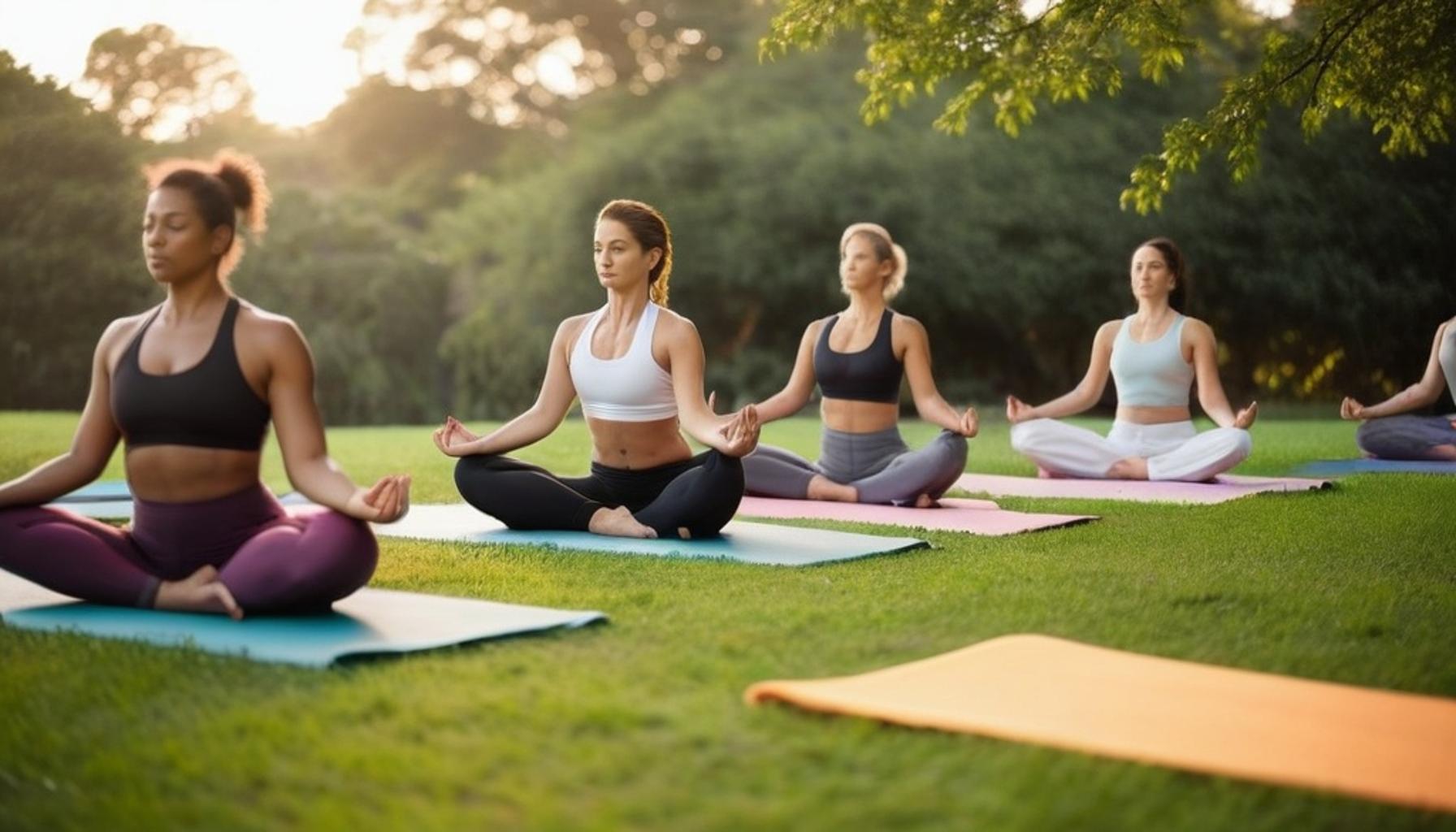
Incorporating Mindfulness into Your Evening Workout: A Path to Relaxation and Balance
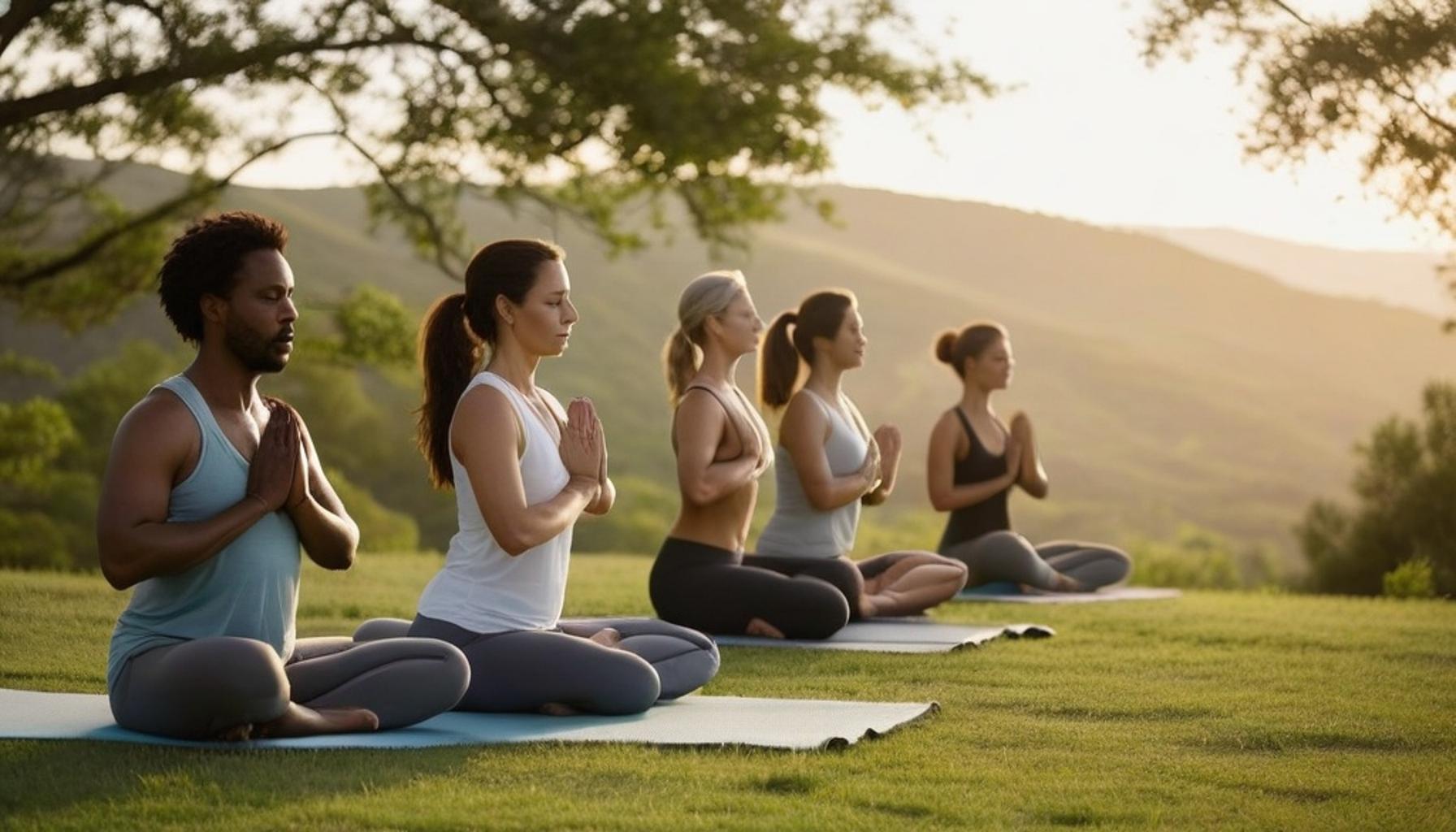
Why Your Evening Sweat Session Deserves a Mindful Twist
Picture this: it’s 7 p.m., you’ve just clocked out from a hectic day, and your body craves movement while your mind screams for a pause. That’s exactly where a mindfulness evening workout steps in, blending physical exertion with mental clarity.
Across the United States, more people are ditching high-intensity night sessions in favor of routines that calm the nervous system before bed. Research from the American Psychological Association shows that evening stress levels drop significantly when physical activity is paired with intentional breathing and awareness.
This isn’t about slowing down your fitness goals. It’s about making them work smarter.
The Shift Happening in Gyms Across the Country
Walk into a boutique fitness studio in Los Angeles or a CrossFit box in Austin, and you’ll notice something different these days. Instructors are pausing sessions midway to guide clients through box breathing or a sixty-second body scan. This isn’t a passing trend born from wellness influencers alone. It reflects a broader cultural recalibration, one where Americans are increasingly aware that cortisol spikes from late-night, high-intensity training can sabotage sleep quality, even if the workout itself burns plenty of calories.
Sleep researchers at institutions like Stanford and Johns Hopkins have long pointed out that vigorous exercise too close to bedtime can elevate heart rate and core temperature, delaying the body’s natural wind-down process. That’s where the mindful approach flips the script. Instead of finishing a session amped up, practitioners finish grounded, with heart rate and breath synced back to a resting rhythm before they even hit the shower.
How This Plays Out in Real Routines
Think about a typical Tuesday night. Someone finishes a forty-minute strength circuit, but instead of immediately scrolling through their phone or rushing to make dinner, they spend five minutes on the floor, knees bent, palms up, focusing solely on the exhale being longer than the inhale. That small addition, according to multiple peer-reviewed studies on mindfulness exercises, can lower perceived stress scores by a notable margin within just a few weeks of consistent practice.
It’s not just anecdotal. Data compiled from wearable fitness trackers, including devices like Whoop and Oura, has shown users who incorporate a brief mindful cool-down report improved heart rate variability overnight, a key marker of recovery and nervous system balance.
A Nationwide Appetite for Balance
From coastal cities to Midwest suburbs, the appetite for workout balance and relaxation is growing louder. Fitness apps have started bundling guided breathing sessions directly into workout playlists, a signal that the industry itself recognizes this isn’t a niche request but a mainstream demand.
What makes this movement particularly intriguing is its universality. It doesn’t require a yoga mat empire or a meditation retreat membership. It simply asks people to pause, breathe, and notice, turning an ordinary evening workout into something that quietly recalibrates both body and mind before the lights go out.
CHECK OUT: Developing a Family Exercise Routine: Strengthening Bonds While Promoting Health
# Building the Bridge Between Movement and Mental Stillness
The Science Behind Slowing Down After You Speed Up
There’s a reason fitness professionals nationwide are rethinking how evening sessions end. When you pair physical exertion with intentional mindfulness exercises, you’re not just cooling down, you’re actively rewiring how your nervous system processes the day’s stress. This shift represents a broader change in how Americans approach fitness, moving away from the “push harder, longer” mentality toward something more sustainable.
A mindfulness evening workout works because it targets two systems simultaneously: the musculoskeletal system craving movement, and the parasympathetic nervous system craving calm. Harvard Medical School researchers have noted that combining moderate exercise with focused breathing can reduce cortisol levels more effectively than exercise alone, particularly when done within the two hours before sleep. Gyms in cities like Austin and Chicago have started integrating five-minute guided breathing segments at the end of group classes, a small addition that members increasingly describe as the most memorable part of their routine.
What Happens Inside the Body During a Mindful Cool-Down
Understanding the mechanics helps explain why this approach sticks. During intense training, your sympathetic nervous system, the “fight or flight” response, stays activated. Without a deliberate transition, that activation can linger for hours, sometimes bleeding into the very sleep cycle you’re trying to protect.
Mindfulness-based cool-downs interrupt that pattern by:
- Slowing respiratory rate through extended exhales, which signals safety to the brainstem
- Lowering heart rate variability disruption, helping the body shift into recovery mode faster
- Reducing rumination, the mental loop of replaying work stress or tomorrow’s to-do list
- Improving proprioception, or body awareness, which many athletes report enhances form in future sessions
Fitness coaches in cities like Denver and Seattle have started calling this the “reset window,” a five to ten minute period where the workout’s physical benefits get locked in through mental stillness. Some studios have even redesigned their class schedules around this concept, dimming lights and lowering music volume as a visual cue that the reset window has begun.
Why Timing Matters More Than You Think
Not every mindful technique fits every schedule. Someone lifting weights at 6 p.m. has different recovery needs than someone doing a late-night run at 9 p.m., and treating every session identically ignores how the body’s internal clock actually functions.
Sleep specialists suggest that the closer your workout sits to bedtime, the more critical the mindfulness component becomes. This is where evening workout techniques diverge from morning routines entirely. Morning exercise can end abruptly since the body has all day to regulate. Evening exercise, however, needs a deliberate off-ramp, one that gives the nervous system permission to stand down before the lights go out.
Consider this a simple, evidence-backed guideline: for every twenty minutes of vigorous activity, allocate roughly three to five minutes of intentional breathwork or stillness afterward. This ratio, drawn from recovery data collected by sports physiologists, helps offset the physiological arousal exercise creates. Runners training for fall marathons across the Midwest have started applying this ratio religiously, reporting noticeably better sleep quality within just a few weeks.
The Overlooked Connection to Long-Term Balance
The benefits of mindfulness paired with exercise extend beyond that single night’s sleep. Consistent practice has been linked to improved emotional regulation, better workout adherence, and even reduced injury rates, since practitioners report heightened awareness of bodily signals like fatigue or strain. Physical therapists in California have noted a measurable drop in overuse injuries among clients who incorporate structured stillness into their weekly training cycle.
This is workout balance and relaxation in its most practical form, not a separate wellness ritual, but an integrated part of the training itself. As more research emerges linking nervous system regulation to athletic longevity, the line between “working out” and “winding down” continues to blur, and for good reason.

Key Aspects of a Mindfulness Evening Workout
A mindfulness evening workout blends physical movement with mental awareness, creating a bridge between daily stress and restful sleep. Below is a quick breakdown of essential evening workout techniques and their impact on relaxation, balance, and recovery.
| Category | Key Benefit |
|---|---|
| Mindful Breathing | Slows heart rate, easing tension after intense exertion. |
| Body Scan Practice | Increases awareness of muscle recovery and reduces soreness. |
| Gentle Stretching | Supports flexibility while calming the nervous system. |
| Gratitude Reflection | Enhances emotional balance and promotes deeper relaxation after workout. |
| Guided Meditation | Improves sleep quality, one of the core benefits of mindfulness. |
SEE ALSO: The Importance of Creating a Personalized Exercise Routine for Long-term Wellness
# Practical Techniques That Turn Theory Into Habit
Mindfulness Exercises Worth Adding to Your Routine Tonight
Knowing the science behind a mindfulness evening workout is one thing. Actually building it into a routine that fits real life, after work, before dinner, between errands, is where most people get stuck. The good news is that these techniques don’t require extra equipment or an hour of spare time. In fact, some of the most effective methods take less time than scrolling through a phone while waiting for a protein shake to blend.
Body scanning is one of the most accessible entry points. After your final set or final mile, lie down or sit comfortably and mentally travel from your feet to your scalp, noticing tension without trying to fix it. Physical therapists in Boston have started recommending this specific technique to clients recovering from repetitive strain injuries, citing improved body awareness as a measurable side benefit. Many patients report catching small aches earlier, before they escalate into something that sidelines them for weeks.
Box breathing, a technique long used by Navy SEALs and now adopted by everyday gymgoers, offers another fast option: inhale for four counts, hold for four, exhale for four, hold for four. Repeated for just two minutes, it can noticeably slow an elevated heart rate. Some athletic trainers in Denver have started teaching this method to high school runners before meets, noting that the ritual seems to calm pre-race nerves almost as effectively as it aids post-workout recovery.
Evening Workout Techniques That Blend Movement With Stillness
Some of the most effective evening workout techniques don’t separate movement from mindfulness at all, they merge them. Slow-flow yoga sequences, walking meditations around the block, and even mindful stretching routines popular in Portland fitness studios all serve this dual purpose. The appeal lies in efficiency: rather than tacking on a separate ten-minute meditation session, the body simply transitions from effort to ease within the same block of time.
A few specific methods worth trying:
- Mindful walking: a slow ten-minute walk post-workout, focusing entirely on foot placement and breath rhythm
- Progressive muscle relaxation: tensing and releasing muscle groups sequentially to physically signal the nervous system to stand down
- Guided visualization apps, several of which have added “post-workout” categories specifically designed for this transition window
- Silent stretching, done without music or screens, allowing the mind to settle naturally
Personal trainers in Miami have reported that clients who commit to even one of these methods three times weekly show up more consistently overall, likely because the sessions feel less punishing and more restorative. One trainer described it as the difference between clients “dreading Tuesday’s workout” and “actually looking forward to the quiet part at the end.”
Making Relaxation After Workout a Non-Negotiable Step
Treating relaxation after workout as optional is where most routines fall apart. Scheduling it the same way you’d schedule a set of squats removes the guesswork, and it eliminates the temptation to skip straight to the couch the moment the last rep is finished.
Try setting a phone reminder for the final five minutes of any evening session, labeled simply “wind down.” This small structural cue has helped fitness communities in cities like Nashville normalize the practice, turning what once felt like an afterthought into an expected part of class. Instructors there have noticed that once the reminder becomes routine, students stop checking exit times and start settling into the moment instead.
Data from wearable device companies backs this up: users who log consistent post-exercise breathing sessions show an average 15 percent improvement in sleep onset time compared to those who skip straight to a hot shower and bed. That single number has convinced plenty of skeptics to give it a try, especially those who track their metrics obsessively but had never considered cooldown breathing as a variable worth measuring.
Ultimately, workout balance and relaxation comes down to repetition, not perfection. A few intentional minutes, practiced consistently, tend to outperform sporadic, longer sessions attempted only when motivation strikes. The habit, much like the workout itself, rewards those who show up night after night rather than those chasing a single perfect session.
YOU MAY ALSO LIKE: The mental and emotional benefits of a consistent exercise routine for a balanced life
Bringing It All Together: Why the Quiet Minutes Matter Most
A mindfulness evening workout isn’t a trend borrowed from wellness influencers, it’s a practical response to how modern schedules leave people wired and depleted at the same time. The research, the techniques, and the trainer anecdotes all point toward one conclusion: pairing physical effort with intentional stillness produces results that neither element achieves alone.
What stands out across cities from Boston to Miami to Denver is consistency of outcome. Whether someone tries box breathing, a body scan, or a slow ten-minute walk, the common thread is a nervous system that gets permission to downshift before bedtime rather than staying activated for hours afterward.
The benefits of mindfulness extend beyond a single night’s sleep. Over weeks, these small additions appear to reshape how people relate to exercise itself, shifting it from something to survive into something that leaves them steadier, calmer, and more willing to return the next evening.
None of this requires overhauling a routine. It requires five minutes, a phone reminder, and a willingness to sit in stillness instead of rushing toward the next task. That’s the entire barrier to entry.
For anyone still weighing whether it’s worth the effort, the wearable data mentioned earlier, a 15 percent improvement in sleep onset, offers a fairly compelling nudge. So does the simple experience of finishing a workout without that jittery, unresolved feeling many people have learned to accept as normal.
Achieving real workout balance and relaxation isn’t about adding more to an already full day. It’s about closing the loop on the effort already being made, so the body and mind actually absorb the benefits of the work just completed. Tonight’s session is as good a place as any to start testing that for yourself.
Frequently Asked Questions
What is a mindfulness evening workout and how is it different from a regular workout?
A mindfulness evening workout combines physical movement with focused attention on your breath, body sensations, and present-moment awareness rather than just going through the motions. Unlike a regular workout focused solely on reps or calories burned, it emphasizes slowing down, tuning into how your muscles feel, and using intentional breathing to release the day’s stress. This approach helps transition your mind and body toward rest instead of leaving you wired before bed.
Will an evening mindfulness workout keep me awake at night?
No, if done correctly, a mindfulness evening workout is designed to calm your nervous system rather than overstimulate it. Choosing gentler movements like yoga, stretching, or slow-paced strength training, combined with deep breathing, lowers cortisol and heart rate instead of spiking them. Avoid high-intensity intervals right before bed and instead finish with a few minutes of stillness or meditation to signal your body it’s time to wind down.
What types of exercises work best for a mindful evening routine?
Low-impact activities such as yoga, tai chi, Pilates, or slow bodyweight strength circuits pair especially well with mindfulness because they allow you to focus on form and breath without rushing. Walking meditation or gentle stretching sessions are also excellent choices if you want minimal exertion. The key is picking movements that let you stay present rather than exercises that demand constant speed or intense focus on performance metrics.
How long should a mindfulness evening workout last to see relaxation benefits?
Even 15 to 20 minutes of mindful movement in the evening can noticeably reduce stress and improve sleep quality. Consistency matters more than duration, so a short daily practice combining breathwork and gentle exercise will yield better long-term relaxation benefits than occasional longer sessions. As you become more comfortable with the practice, you can extend it to 30-45 minutes if time allows.
How do I incorporate breathing techniques into my evening workout for better results?
Start each exercise by inhaling deeply through your nose for a count of four, then exhaling slowly for a count of six to activate your parasympathetic nervous system. Sync your breath with movement, such as inhaling as you lift or stretch and exhaling as you release, which keeps your mind anchored to the present task. Ending your session with a few minutes of box breathing or diaphragmatic breathing helps solidify the calming effects before bed.
Can mindfulness evening workouts help with better sleep and reduced anxiety?
Yes, research shows that combining gentle physical activity with mindfulness practices lowers cortisol levels and activates the body’s relaxation response, both of which support deeper, more restful sleep. By processing mental tension through movement and breath rather than suppressing it, many people experience reduced anxiety and racing thoughts at bedtime. Practicing this routine consistently for a few weeks tends to produce the most noticeable improvements in sleep quality and stress management.

Linda Carter
Linda Carter is a writer specializing in healthy habits and balanced living. With extensive experience helping readers build sustainable routines, she shares practical guidance on nutrition, physical activity, quality sleep, stress management, and emotional well-being. Her goal is to offer simple, accessible strategies that inspire people to care for their health and enjoy a more balanced life.