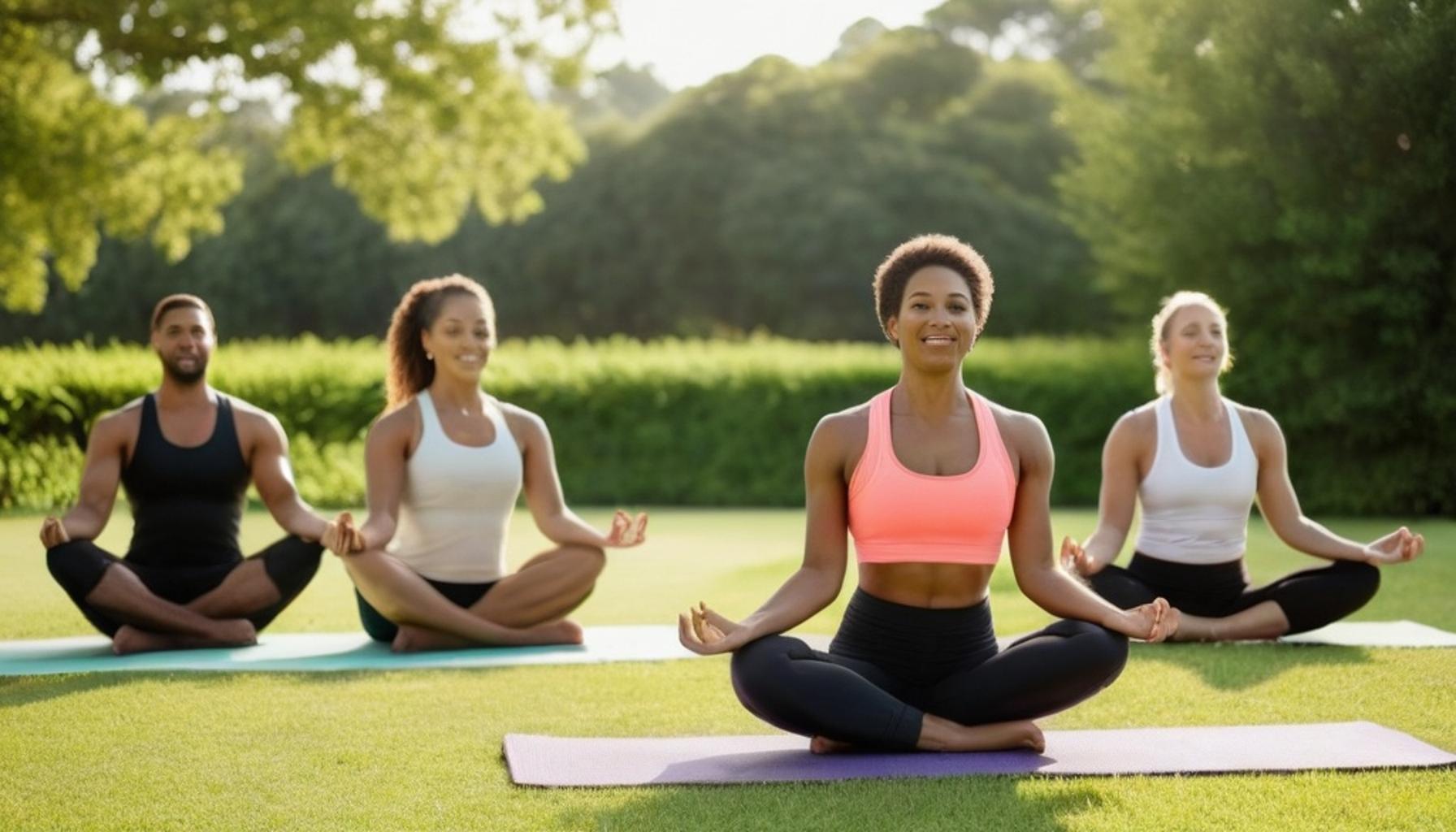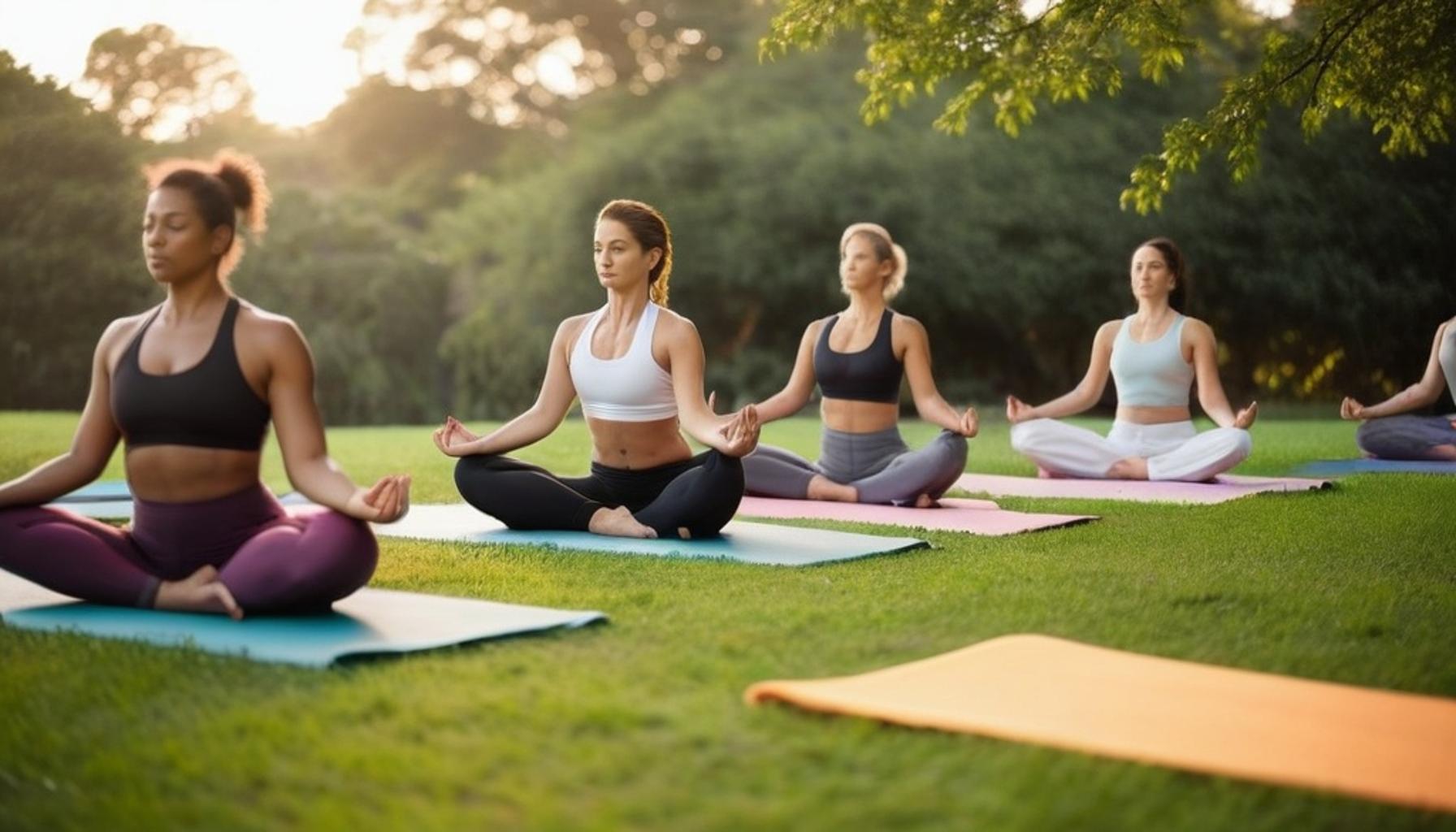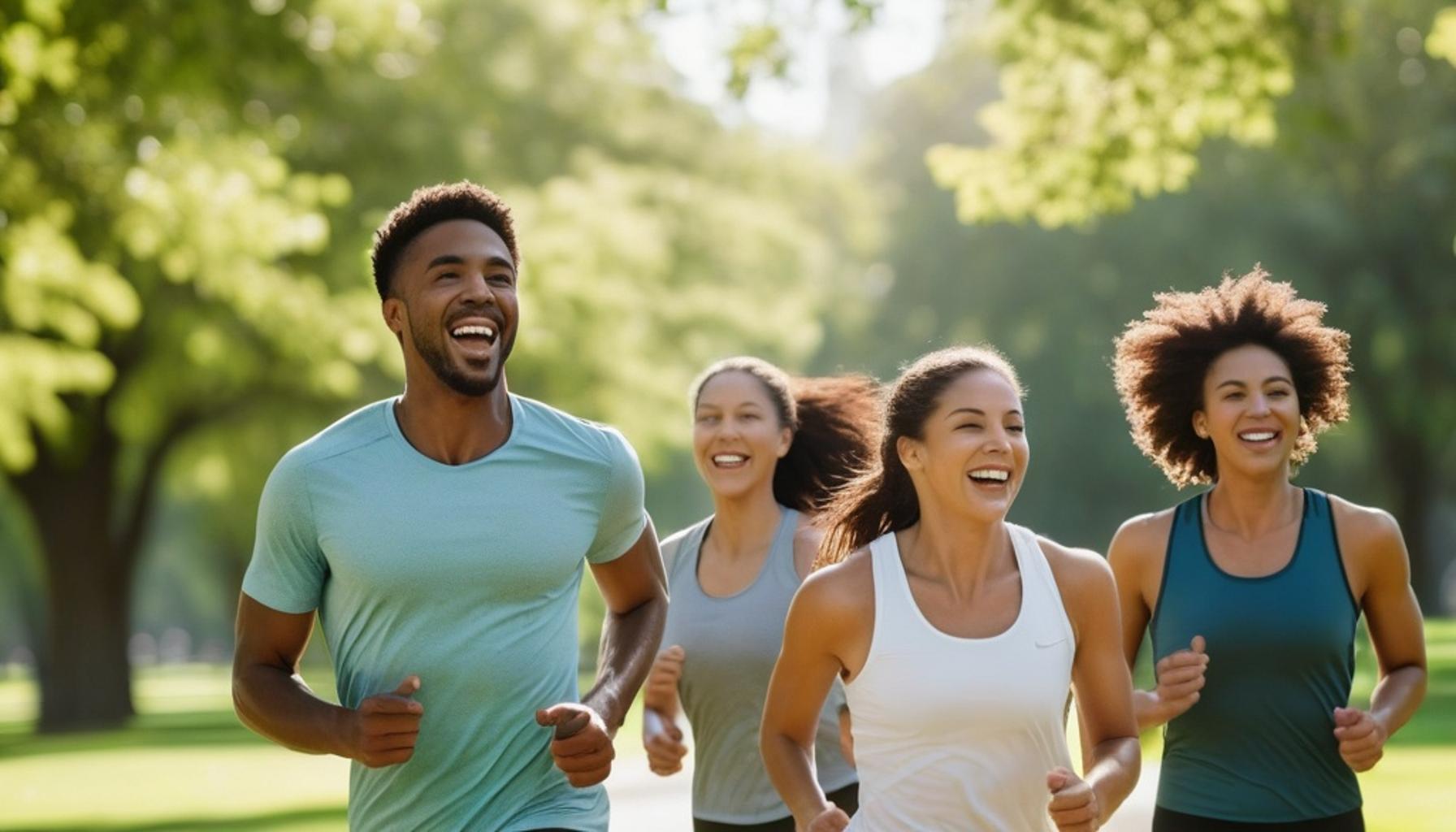
Low-Impact Exercises: How Regular Practice Can Promote Well-Being and Balance in Daily Life
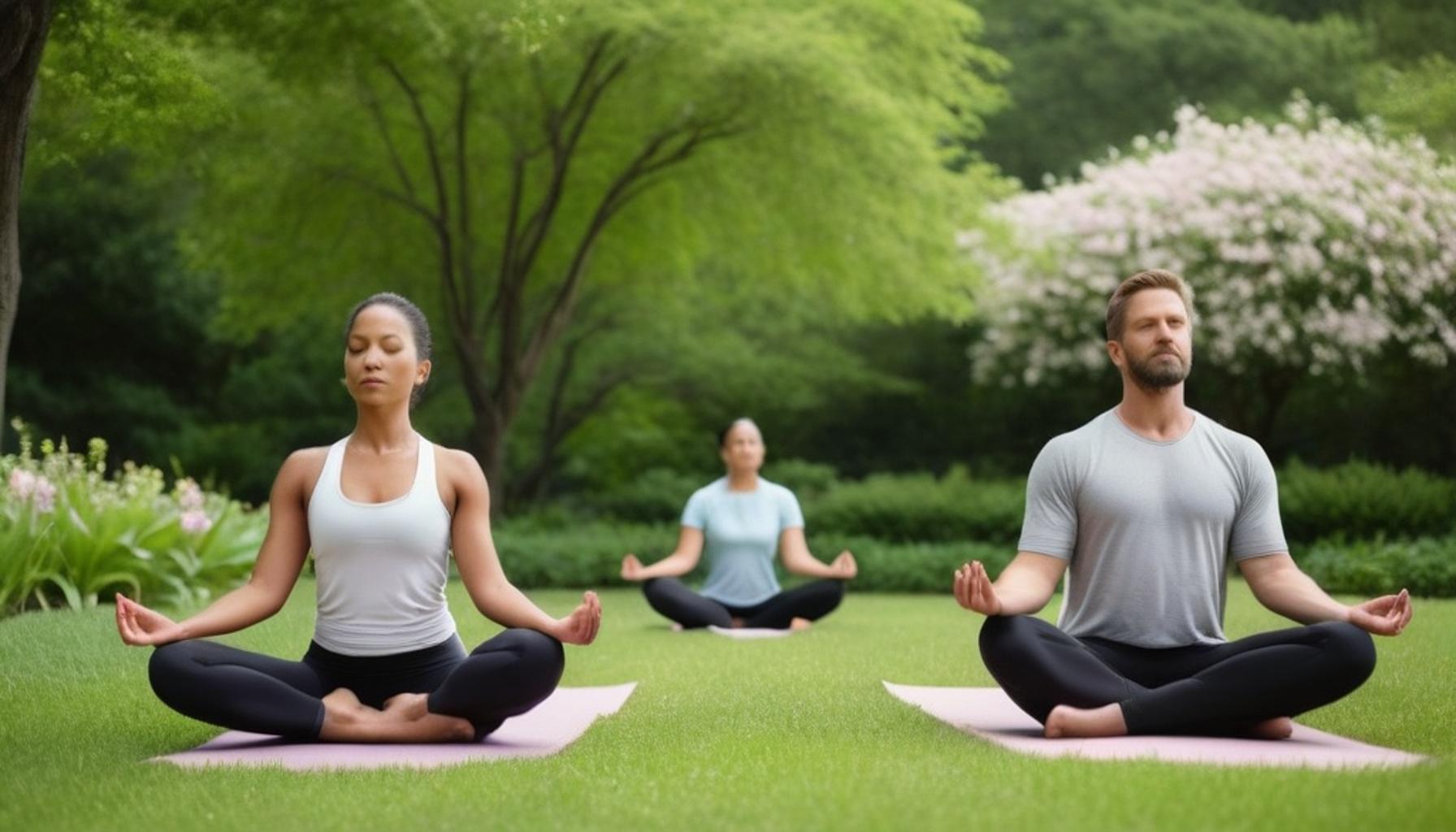
Finding Movement That Meets You Where You Are
Millions of Americans start a fitness routine every January, and by February, many have already quit. The reason often isn’t lack of motivation—it’s that high-intensity programs leave joints aching and enthusiasm crushed. Gyms across the country see this cycle repeat year after year, with membership spikes followed by steep drop-offs once the soreness and burnout set in.
Low-impact exercises offer a different path, one that builds strength and endurance without punishing the body. Instead of chasing exhaustion, this approach favors consistency, recovery, and long-term progress—principles that resonate with people juggling busy schedules, physical limitations, or simply a desire to move without dreading the next workout.
Why This Approach Is Gaining Momentum
From walking clubs in suburban neighborhoods to swimming laps at the local YMCA, gentler workout styles are reshaping how people think about fitness. Health experts increasingly point to the benefits of low-impact exercises for people of all ages and fitness levels. Physical therapists, in particular, have championed these methods as effective tools for rehabilitation and injury prevention, not just as a fallback for those who can’t handle intense training.
Consider what makes this method so appealing:
- Reduced joint stress compared to running or plyometric training
- Lower injury risk, making it sustainable for the long term
- Accessible entry point for those returning to exercise after time off
- Mental health support through steady, mindful movement
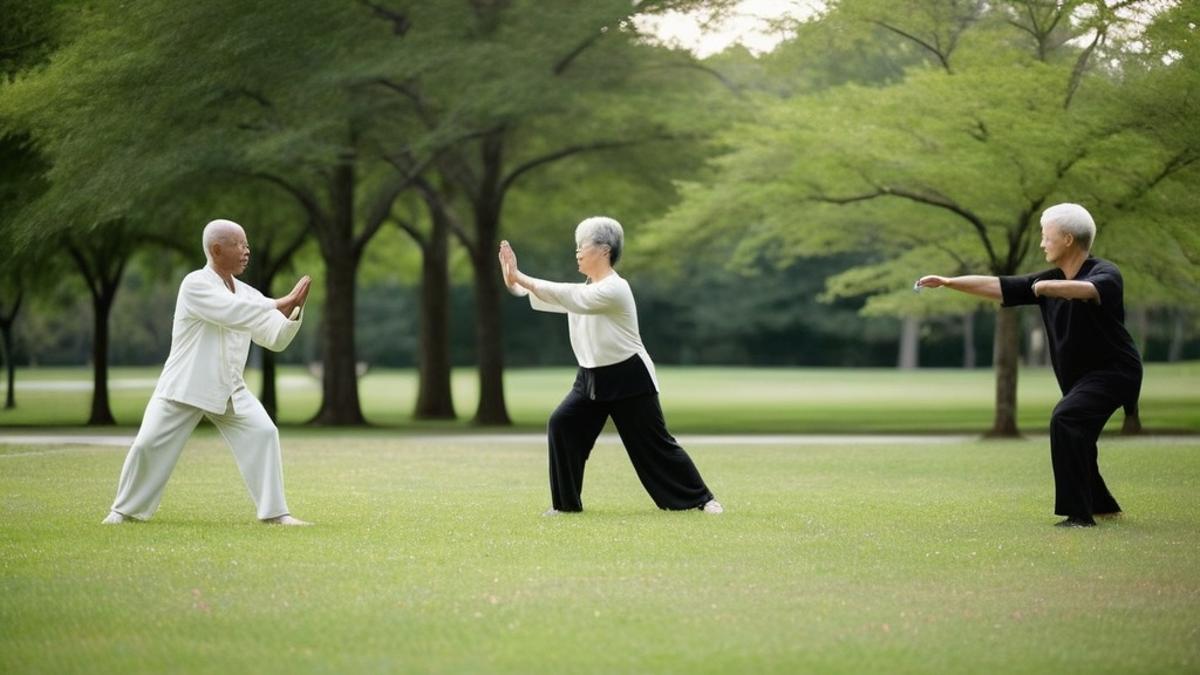
These qualities explain why low-impact exercises for seniors have become a cornerstone of healthy aging programs nationwide. Community centers and senior living facilities across the United States now regularly offer water aerobics, tai chi, and chair yoga classes, recognizing that consistent, gentle movement often produces better outcomes than sporadic bursts of intense activity.
Not Just for Beginners or Older Adults
Don’t mistake gentleness for lack of results. Activities like cycling, yoga, and resistance band training can deliver serious cardiovascular and muscular benefits when practiced consistently. Competitive cyclists, professional dancers, and even athletes recovering from injury often incorporate these very techniques into their training cycles, proving that low-impact doesn’t mean low-effort.
In fact, many personal trainers now design entire strength-building programs around low-impact principles, using tools like resistance bands, stability balls, and bodyweight movements to challenge muscles without the wear and tear associated with heavy lifting or high-impact cardio.
This introduction sets the stage for understanding low-impact workouts for beginners, exploring practical routines, and learning how to start low-impact exercise safely and effectively in daily life. The sections ahead will break down specific exercises, weekly plans, and expert tips designed to help readers build lasting habits without sacrificing their joints or their motivation.
LEARN MORE: How to incorporate physical activities into your daily routine without compromising your time
The Science Behind Gentle Movement and Lasting Results
Walk into any physical therapy clinic from Seattle to Miami, and you’ll likely hear the same advice: consistency beats intensity. Research from the American College of Sports Medicine backs this up, showing that moderate, sustained activity often produces better long-term adherence rates than high-intensity interval programs. This is precisely where the benefits of low-impact exercises start to reveal themselves.
The mechanics are straightforward. Low-impact movements keep at least one foot on the ground or otherwise minimize sudden shock to joints. Activities like swimming, cycling, and brisk walking fall into this category, as do strength-based practices like Pilates and resistance training performed with controlled, deliberate motion.
What’s striking is how often this approach gets overlooked in a fitness culture obsessed with burning maximum calories in minimum time. Gyms across the country market bootcamp-style classes as the gold standard, yet orthopedic surgeons in cities like Denver and Chicago report a steady stream of patients dealing with overuse injuries from exactly these programs. The irony isn’t lost on researchers studying exercise science.
What Happens Inside the Body
Cardiovascular improvement doesn’t require pounding pavement. Studies published in journals tracking heart health show that swimming for 30 minutes, three times weekly, can improve cardiovascular endurance nearly as effectively as running, without the repetitive joint impact that often leads to shin splints or stress fractures.
Muscle engagement tells a similar story. Resistance bands and bodyweight exercises activate muscle fibers through controlled tension rather than explosive force. This distinction matters for anyone concerned about long-term joint health, particularly those managing arthritis or recovering from surgery.
Consider the case of cycling, a favorite among rehabilitation specialists nationwide. Unlike running, which generates forces up to three times a person’s body weight with every stride, cycling distributes pressure evenly across a much larger surface area. This makes it a preferred recommendation for patients recovering from knee replacements in cities like Phoenix, where warm weather allows for year-round outdoor riding.
Here’s what regular practitioners typically experience within the first few months:
- Improved balance and coordination, reducing fall risk in older adults
- Better sleep quality linked to steady, moderate physical exertion
- Decreased chronic pain symptoms in knees, hips, and lower back
- Enhanced mood stability from consistent endorphin release
Physical therapists often point out that these benefits compound over time. A patient who begins with ten minutes of gentle stretching might, within three months, find themselves capable of a full hour of low-impact cardio without discomfort. That progression, gradual as it seems, builds a foundation that’s far less likely to collapse under injury or burnout.
The Mental Health Connection
Beyond physical outcomes, low-impact exercises for mental health are gaining serious attention from clinical researchers. Yoga and tai chi, in particular, combine movement with breathwork, creating a dual effect on the nervous system that many high-intensity workouts simply don’t offer.
A 2021 review in a leading psychology journal found that participants practicing low-impact activities like walking or gentle yoga reported measurably lower anxiety scores after eight weeks, compared to sedentary control groups. Community wellness programs in cities like Austin and Portland have taken note, incorporating mindful movement sessions into public health initiatives aimed at reducing stress-related illness.
Some researchers theorize that the slower pace of these activities allows practitioners to remain present in their bodies rather than dissociating through exhaustion, a pattern common in more grueling workout formats. This mind-body awareness may explain why so many participants describe low-impact routines as meditative rather than purely physical.
This growing body of evidence suggests that gentle, repeatable movement isn’t a compromise—it’s a legitimate, evidence-backed strategy for building both physical resilience and emotional steadiness over time.
Key Aspects of Low-Impact Exercises at a Glance
Before diving deeper, this quick-reference table highlights the core elements that make low-impact exercises such a valuable addition to daily life. From physical benefits to practical starting points, each row offers a snapshot worth exploring further.
| Category | Key Insight |
|---|---|
| Popular Types | Walking, swimming, yoga, and cycling top the list of accessible low-impact workouts for beginners. |
| Physical Benefits | Improved joint mobility and reduced injury risk are among the top benefits of low-impact exercises. |
| Mental Health | Low-impact exercises for mental health help lower cortisol levels and ease anxiety naturally. |
| Senior-Friendly | Low-impact exercises for seniors support balance, flexibility, and long-term independence. |
| Getting Started | Knowing how to start low-impact exercise begins with short sessions and gradual consistency. |
SEE ALSO: The importance of variety in exercise routines to maintain motivation and mental health
Building a Sustainable Routine That Actually Fits Real Life
Knowing the benefits of low-impact exercises is one thing; actually weaving them into a packed American schedule is another challenge entirely. Between commutes, work deadlines, and family obligations, many people assume they need an hour-long block of free time to exercise properly. That assumption, according to most physical therapists, is simply wrong.
Short, frequent sessions often outperform occasional marathon workouts. A 2022 study tracking adults across various age groups found that three 15-minute walking sessions spread throughout the day produced blood pressure improvements comparable to a single 45-minute walk. This flexibility makes low-impact workouts for beginners far more approachable than the all-or-nothing mentality that dominates gym culture. Instead of dreading a workout that eats into an entire evening, someone can squeeze in a walk before breakfast, another during a lunch break, and a third while catching up on a phone call after dinner.
This kind of micro-dosing approach to fitness has gained traction precisely because it removes the psychological barrier of needing a perfect window of time. Researchers suggest that the cumulative effect on cardiovascular health, mood regulation, and even sleep quality rivals what many people assume only comes from longer, sweat-drenched sessions at the gym.
Practical Starting Points for Different Fitness Levels
Anyone wondering how to start low-impact exercise should focus less on intensity and more on consistency. Fitness instructors in cities like Nashville and San Diego frequently recommend beginning with activities that require zero special equipment.
A few accessible entry points include:
- Water aerobics, widely available at community centers and YMCAs nationwide
- Chair yoga, ideal for those with limited mobility or joint sensitivity
- Recumbent cycling, offering back support absent from traditional bikes
- Nordic walking, which uses poles to reduce knee strain while increasing upper body engagement
These options share a common thread: they lower the barrier to entry without sacrificing measurable health outcomes. A person recovering from surgery, someone managing arthritis, or even a busy parent with fifteen spare minutes can find something on this list that fits their circumstances. What makes these choices particularly appealing is their scalability. Water aerobics, for example, can range from gentle joint mobility drills to more vigorous resistance work using the water itself, allowing participants to adjust intensity without switching activities entirely.
Why Older Adults Are Leading the Shift
Perhaps nowhere is this trend more visible than among older populations. Low-impact exercises for seniors have become a public health priority, particularly as fall-related injuries remain a leading cause of hospitalization for Americans over 65, according to CDC data.
Community centers in retirement-heavy regions like Florida and Arizona have expanded their tai chi and water-based fitness offerings substantially over the past decade. The reasoning is backed by evidence: a Journal of the American Geriatrics Society study found that seniors practicing tai chi twice weekly reduced their fall risk by nearly 43 percent compared to sedentary peers.
Beyond fall prevention, these programs address something less quantifiable but equally important: social connection. Group classes at senior centers often become as much about community as movement, an unexpected byproduct that researchers increasingly link to reduced rates of depression among older adults. Instructors in places like Scottsdale and Sarasota report waitlists for popular classes, suggesting demand is outpacing available instructors trained specifically in senior fitness programming.
Tracking Progress Without Obsessing Over Numbers
Unlike high-intensity training, low-impact routines don’t always lend themselves to dramatic before-and-after transformations. Progress here looks different, measured in improved range of motion, steadier balance, or simply climbing a flight of stairs without knee pain.
Wearable technology has made tracking these subtler markers easier. Many fitness apps now include joint-friendly workout metrics, mobility scores, and recovery tracking, tools once reserved for professional athletes now accessible to anyone with a smartphone. Some apps even send gentle reminders to stand or stretch after long periods of sitting, nudging users toward movement without demanding a formal workout session.
This shift in how success gets measured may be one of the most underappreciated aspects of the low-impact movement, encouraging a healthier, more sustainable relationship with physical activity overall. As more Americans move away from punishing workout culture toward something gentler yet still effective, the definition of fitness itself appears to be quietly evolving, one manageable session at a time.
RECOMMENDED: Developing a Family Exercise Routine: Strengthening Bonds While Promoting Health
The Bigger Picture: Redefining What Movement Means
Across every angle explored in this piece, a single thread emerges: low-impact exercises are no longer a fallback option for people who cannot handle intense training. They represent a legitimate, evidence-backed path toward long-term health, one that fits neatly into the chaotic rhythm of American life rather than demanding people rearrange their schedules around it.
The benefits of low-impact exercises extend well beyond joint preservation. From stabilized blood pressure to measurable improvements in sleep and mood, the data suggests that gentler movement produces results that rival, and sometimes surpass, more punishing routines. That reality alone should prompt a second look from anyone who assumed fitness had to hurt to matter.
Equally significant is the growing recognition of low-impact exercises for mental health. Group tai chi sessions, water aerobics classes, and even solo walks have shown measurable effects on anxiety and depressive symptoms, according to multiple geriatric and behavioral health studies cited throughout this discussion. Movement, it turns out, is as much about the mind as it is about the body.
For someone still uncertain about how to start low-impact exercise, the answer lies less in research papers and more in simple action: a short walk, a chair yoga session, a few laps in a community pool. These small, repeatable choices build momentum in ways that intense, sporadic workouts rarely achieve.
What makes this movement particularly compelling is its inclusivity. Whether the goal involves finding effective low-impact workouts for beginners or supporting low-impact exercises for seniors managing mobility concerns, the options are flexible enough to meet people exactly where they stand.
As fitness culture continues shifting away from extremes, one question remains worth exploring further: what other areas of health might benefit from this same philosophy of sustainable, moderate consistency over dramatic, short-lived effort?
Frequently Asked Questions
What exactly counts as a low-impact exercise?
Low-impact exercises are activities where at least one foot stays on the ground or the movement avoids jarring, high-force landings, reducing stress on joints like knees, hips, and ankles. Examples include walking, swimming, cycling, yoga, Pilates, and using an elliptical machine. These exercises still raise your heart rate and build strength without the pounding associated with running or jumping.
Can low-impact exercises help with weight loss?
Yes, low-impact exercises can support weight loss when done consistently and paired with a balanced diet, since activities like brisk walking, cycling, or swimming burn meaningful calories over time. The key is duration and intensity rather than impact level, so longer or more frequent sessions can produce similar calorie-burning results as high-impact workouts. Combining cardio with resistance training also helps preserve muscle mass while losing fat.
Are low-impact exercises effective for building muscle and strength?
Low-impact strength training, such as bodyweight exercises, resistance bands, or light weightlifting, can effectively build muscle without harsh joint stress. Movements like squats, lunges, and controlled weight training performed with proper form still create the muscle tension needed for growth. Consistency and progressive overload matter more than impact level when it comes to gaining strength.
Who benefits most from low-impact exercises?
Low-impact exercises are especially beneficial for older adults, beginners, pregnant women, and people recovering from injury or managing arthritis or chronic joint pain. They’re also a smart choice for anyone looking to stay active daily without risking overuse injuries common in high-impact sports. Even athletes use low-impact workouts on recovery days to maintain fitness while allowing their bodies to heal.
How often should I do low-impact exercises to see results in daily well-being?
Most health guidelines suggest at least 150 minutes of moderate low-impact activity per week, which breaks down to about 20-30 minutes most days. Regular practice, even in short sessions, can improve mood, sleep quality, and energy levels within a few weeks. Consistency matters more than intensity, so finding an enjoyable routine you can stick with long-term is the most important factor.

Linda Carter
Linda Carter is a writer specializing in healthy habits and balanced living. With extensive experience helping readers build sustainable routines, she shares practical guidance on nutrition, physical activity, quality sleep, stress management, and emotional well-being. Her goal is to offer simple, accessible strategies that inspire people to care for their health and enjoy a more balanced life.