How Puzzles Enhance Concentration and Focus
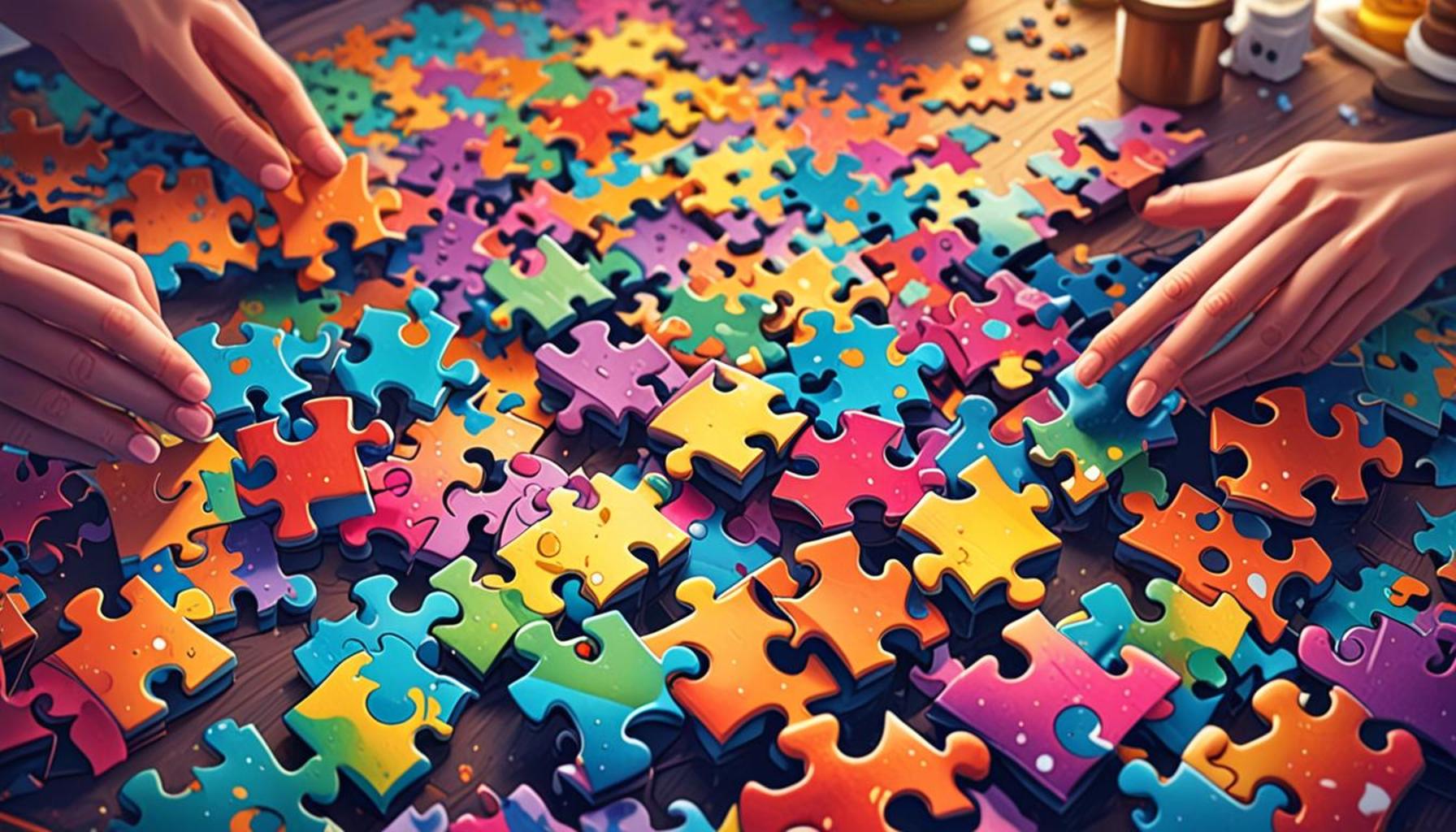
The Cognitive Benefits of Engaging with Puzzles
In today’s fast-paced world, maintaining concentration and focus can be quite a challenge. As we juggle multiple tasks, distractions are everywhere, making it harder to stay engaged with what we’re doing. However, there’s an effective and enjoyable way to sharpen your mental acuity: puzzles.
Engaging with puzzles offers numerous benefits that can help improve concentration and focus. Here are some key features of how puzzles contribute to cognitive enhancement:
- Problem Solving Skills: Puzzles require critical thinking and strategic planning. For example, solving a jigsaw puzzle requires you to visualize how different pieces fit together and think ahead about the placement of each piece. This enhances decision-making abilities, benefiting not just puzzle-solving but also real-world situations.
- Attention to Detail: Completing puzzles demands meticulous observation. The difference between a piece that fits and one that does not is often subtle, training your brain to notice small details that could go unnoticed otherwise. This rigorous attention can translate into improved performance in tasks that require precision.
- Memory Improvement: Retaining puzzle strategies improves memory functions. For instance, while playing Sudoku, you might recall number placements from previous puzzles, demonstrating that engaging with puzzles can enhance short-term and long-term memory.
Numerous studies suggest that regularly working on puzzles can create lasting changes in the brain. Research has indicated that engaging in activities like Sudoku or jigsaw puzzles promotes the formation of neural connections, fostering a sharper mind over time. Interestingly, the mental challenge presented by these puzzles mirrors the cognitive demands found in a typical work environment, making them excellent practice for enhancing workplace productivity.
Puzzles come in various forms, each providing unique challenges. For instance:
- Crosswords: Not only do they encourage vocabulary building, but they also require you to recall specific facts, enhancing both your language skills and memory.
- Logic Puzzles: These challenges stimulate analytical thinking, pushing you to weigh various options and interpret clues logically, thus enhancing reasoning abilities.
- Word Searches: Finding words in a grid helps sharpen visual scanning skills and pattern recognition, skills that are increasingly important in a visually-driven digital world.
Whether enjoyed solo or shared with friends, challenges posed by puzzles invite individuals to immerse themselves in a focused mindset. Sharing this experience can also foster social bonds, as friends work together to crack a particularly tricky puzzle. Additionally, the satisfaction derived from completing a puzzle can significantly enhance your mood, fostering a sense of achievement.
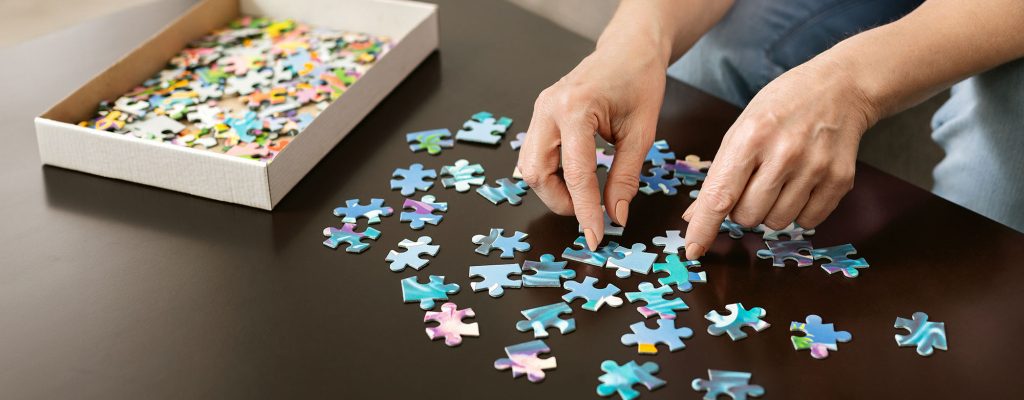
By dedicating time to these brain-teasing activities, you may not only find relaxation but also discover an effective way to enhance your concentration. So, whether you’re at home, in a café, or taking a break at work, delving into a puzzle could be just the mental workout you need to help your cognitive skills flourish.
DISCOVER MORE: Click here to enhance your strategic skills
The Role of Puzzles in Sharpening Cognitive Skills
Puzzles not only serve as a source of entertainment but also play a pivotal role in enhancing concentration and focus. Engaging in brain-teasing activities grabs our attention, forcing us to immerse ourselves fully into the task at hand. This concentrated attention is critical in today’s distractions-laden environment, where multitasking has become the norm. By dedicating time to puzzles, individuals can strengthen their mental discipline and enhancing their overall cognitive functions.
One primary way puzzles enhance concentration is through the flow state they induce. This concept, coined by psychologist Mihaly Csikszentmihalyi, describes a state of complete immersion in an activity where an individual loses track of time and self-consciousness. Puzzles naturally lead to this state by providing a perfect balance of challenge and skill. As you delve into solving a crossword puzzle or arranging jigsaw pieces, your mind becomes fully engaged, allowing you to temporary escape the hustle and bustle of daily life.
Moreover, participating in puzzles encourages a sense of goal-oriented focus. For instance, when faced with a challenging logic puzzle, the successful attainment of each small goal (like completing a section or finding a single piece) contributes to a larger sense of accomplishment. This step-by-step progress not only reinforces the habit of maintaining focus but also fosters resilience and perseverance in overcoming challenges. Research indicates that such sustained attention is crucial in enhancing productivity in both personal and professional spheres.
Puzzles come in different styles, and each offers targeted cognitive challenges that can enhance concentration in distinct ways:
- Jigsaw Puzzles: These encourage spatial reasoning and visual perception, requiring you to maintain focus while coordinating pieces to complete a larger picture.
- Sudoku: This number puzzle activates logical problem-solving skills, pushing you to think critically while honing your memory of previous moves and placements.
- Crossword Puzzles: These not only improve vocabulary but require a continuous recall of facts, thereby stimulating both linguistic and cognitive focus.
- Trivia Games: Engaging with trivia enhances concentration through quick thinking and factual recall, serving as wonderful brain workouts that challenge memory and retention.
Interestingly, incorporating puzzles into your daily routine can transform mundane moments into opportunities for cognitive training. By setting aside just a few minutes each day to work on a puzzle, whether during a lunch break or in the evening, individuals can reap the benefits of improved concentration and enhanced mental clarity over time. Thus, the practice of solving puzzles emerges not merely as a fun pastime, but as a powerful tool in cultivating focus, ultimately shaping sharper minds ready to tackle various challenges life may present.
How Puzzles Enhance Concentration and Focus
Puzzles are more than just entertaining pastimes; they are powerful tools for improving concentration and focus. Engaging with puzzles requires individuals to maintain attention, solve problems, and think critically, all of which are essential skills in our fast-paced world. Below, we highlight some of the key advantages of incorporating puzzles into your daily routine.
| Category | Details |
|---|---|
| Mental Stimulation | Puzzles engage the brain, strengthening cognitive functions and enhancing problem-solving abilities. |
| Focus Enhancement | Working on puzzles allows individuals to improve their attention span, fostering a greater ability to focus on other tasks. |
Participating in different puzzle types, from jigsaw puzzles to crosswords, can significantly improve cognitive agility. These activities not only challenge the mind but also provide a sense of accomplishment, further motivating individuals to engage in deep thinking.
Additionally, puzzles can serve as a mindful break from technology and distractions, creating a peaceful environment where focus can flourish. This makes them a perfect choice for anyone looking to boost their productivity and concentration levels while enjoying a fun and rewarding activity.
Incorporating puzzles into your daily routine may enhance mental clarity and offer significant benefits in both personal and professional spheres. The more you engage with puzzles, the sharper your focus will become!
DIVE DEEPER: Click here to discover more about enhancing your memory and focus
Puzzles as Tools for Mindfulness and Stress Relief
In addition to providing cognitive stimulation, puzzles are increasingly recognized for their role in promoting mindfulness and reducing stress. The act of focusing on a puzzle allows individuals to center their thoughts, drawing attention away from external pressures and internal anxieties. This not only cultivates concentration but also instills a sense of calm, making puzzles an excellent tool for those grappling with stress-related issues in today’s fast-paced world.
Participating in puzzles encourages a meditative state of mind. When one is engaged in a challenging crossword or piecing together a colorful jigsaw, the surrounding chaos appears to fade away. This immersion acts as a form of mindful engagement, which has been shown to lower levels of cortisol, the hormone responsible for stress. Studies indicate that just 15 to 30 minutes dedicated to puzzles can provide a mental break, allowing individuals to recharge and approach other tasks with a renewed sense of focus and clarity.
Furthermore, puzzles enhance concentration through the power of visual and tactile stimulation. Many people find the process of manipulating puzzle pieces or writing answers on paper to be engaging in a sensory way. This sensory involvement boosts concentration as it demands active participation from the brain. Research has shown that engaging multiple senses can lead to improved memory retention and information processing, reinforcing the benefits associated with focusing on puzzles.
- Art and Brain Games: Artistic forms of puzzles, such as coloring books for adults or pattern recognition games, stimulate creativity while demanding focus. These activities allow individuals to express their artistic side while promoting a state of flow.
- 3D Puzzles: These add another layer of complexity, requiring spatial skill and three-dimensional awareness. By constructing models, such as vehicles or landmarks, individuals hone their concentration through detailed attention to each component.
- Word Search Puzzles: These encourage quick scanning and recognition skills, demanding that individuals maintain focus as they sift through columns of letters, increasing their ability to concentrate in other areas of life.
The adaptability of puzzles makes them accessible to a wide range of people and preferences. Whether tackling an intricate puzzle on a lazy Sunday afternoon or enjoying a quick trivia session during a coffee break, the act of engaging with puzzles can integrate seamlessly into various lifestyles. Even schools across the United States are incorporating puzzles into educational programs, utilizing them to enhance student concentration and engagement in subjects ranging from mathematics to language arts.
Moreover, the technology sector has taken note of the puzzle’s cognitive benefits. Educational apps and online games now leverage captivating visuals and challenges aimed at increasing user engagement. By turning puzzle-solving into interactive experiences, developers facilitate improved concentration and focus for users of all ages—validating puzzles as relevant tools for skill development in the digital age.
Ultimately, as individuals recognize the myriad benefits of puzzles, they can harness their power not only for leisure but also for profound personal growth in concentration and focus.
DISCOVER MORE: Click here to learn about the benefits of brain games
Conclusion: The Transformative Power of Puzzles
In conclusion, puzzles offer a multifaceted approach to enhancing concentration and focus, establishing their significance not only as a source of entertainment but also as effective cognitive tools. The integration of engaging challenges—be it jigsaw puzzles, crosswords, or 3D brain games—stimulates the mind and fosters a deeper level of engagement that can carry over into daily tasks. The sensory involvement required to successfully manipulate pieces or answer clues taps into various cognitive pathways, increasing memory retention and processing speed.
Moreover, the meditative quality associated with puzzle-solving allows individuals to escape the overwhelming pressures of modern life, contributing to reduced stress levels and improved mental clarity. By facilitating moments of mindfulness, puzzles serve as an antidote to the distractions of our fast-paced environment. As communities and educational systems begin to incorporate puzzles into learning and stress management practices, their positive influence on focus and concentration becomes more universally recognized.
As technology continues to evolve, the application of puzzles in various formats—whether through mobile apps or interactive games—highlights their adaptability and relevance in today’s digital landscape. Exploring the vast world of puzzles could unlock not only heightened concentration and focus but also cultivate lifelong learning habits and personal growth.
Ultimately, embracing puzzles as part of a balanced lifestyle can yield significant benefits for anyone looking to sharpen their cognitive abilities while enjoying a stimulating and fulfilling pastime. With their recreational and therapeutic potential, puzzles indeed offer a pathway to enhanced mental acuity and emotional well-being.