Culinary and Technology: How Innovations like 3D Printing and Sous Vide Cooking are Transforming the Kitchen
Innovative Kitchen Transformations
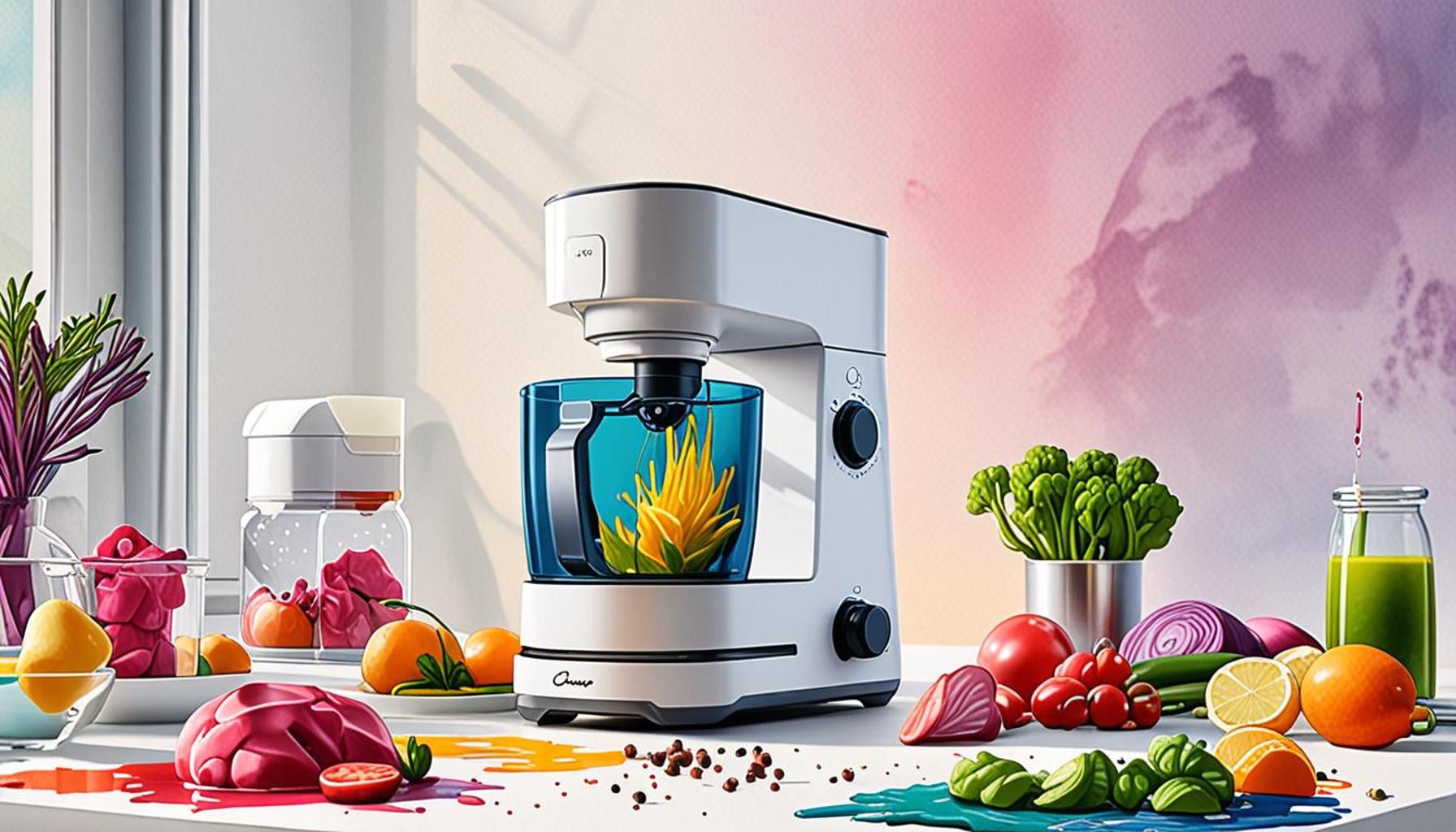
The fusion of culinary arts and technology is reshaping kitchens across the United States in remarkable ways. Innovations such as 3D printing and sous vide cooking are not simply passing trends; rather, they are revolutionizing how food is created and enjoyed. This blend of technology with traditional cooking methods is allowing both professional chefs and home cooks to delve deeper into their culinary passions, leading to an exciting transformation in the American culinary landscape.
Key Innovations in Culinary Technology
- 3D Printing: This groundbreaking technology allows for the precise creation of intricate food designs, pushing the limits of creativity. For instance, chefs are crafting edible sculptures and customized molds for desserts that would have previously seemed impossible. Restaurants are now using 3D food printing to create unique toppings or even entire dishes, inviting patrons to experience food in visually stunning ways. This technology not only improves presentation but can also enhance texture and flavor combinations through the meticulous layering of ingredients.
- Sous Vide Cooking: By cooking vacuum-sealed food in a temperature-controlled water bath, sous vide ensures perfect results that enhance the natural flavors and textures of food. This technique allows home cooks and professional chefs alike to achieve precision in cooking that was once exclusive to high-end restaurants. For example, a steak cooked sous vide maintains its juiciness and tenderness, as it is cooked evenly throughout. Many restaurants are now investing in sous vide equipment to offer consistently perfect dishes.
- Smart Appliances: The rise of app-controlled ovens, smart refrigerators, and connected thermometers has made cooking more efficient and streamlined. These devices can monitor cooking times and temperatures remotely, allowing users to multitask more effectively. For instance, a smart oven can notify a cook via their smartphone when a dish has reached the ideal temperature, ensuring perfectly cooked meals every time. Some appliances are even equipped with AI capabilities that suggest recipe modifications based on the ingredients available, creating personalized culinary experiences.
These innovations naturally raise questions about the future of cooking: Are we losing traditional skills in the age of technology, or are we merely expanding our culinary toolbox? Chefs are now more equipped than ever to explore the realms of flavor pairing and presentation, adding new dimensions to dining experiences. This integration of tech into kitchens is also fostering a culture of experimentation, where chefs can play with flavors and textures in unforeseen ways, enhancing the overall dining experience.
The Future of Cooking
As we delve deeper into the impact of these innovations, it becomes evident that technology is not just changing recipes; it is redefining our relationship with food itself. As cooking becomes more precise and consistent, we may find that the lines between cooking and art continue to blur. From automated meal prep to the creation of entirely new food forms, such as 3D-printed edible objects and meals, the future of cooking promises to be as diverse as it is exciting. We are invited to rethink traditional culinary narratives, exploring not just what we eat, but how we prepare it. Discover how these advancements are transforming kitchens and what they mean for our dining experiences.
DISCOVER MORE: Click here to learn about the power of craft in creative communities
Exploring Culinary Innovations
The integration of 3D printing and sous vide cooking has sparked a culinary revolution that is gaining momentum across the United States. As chefs and home cooks embrace these sophisticated techniques, they are reshaping not only the way food is prepared but also the overall experience of dining. These innovations are not timid alterations; they represent a fundamental shift in how we approach food, creativity, and technology in the kitchen.
Understanding 3D Printing in Culinary Arts
At the forefront of culinary technology, 3D food printing is significantly impacting the food industry by allowing chefs to craft meals in ways that were once unimaginable. By utilizing edible pastes, purees, and even powders, the implications of this technology extend far beyond mere aesthetic presentations. For example, chefs can create unique forms and structures that challenge preconceived concepts of how food should look and feel.
Some remarkable applications of 3D printing in kitchens include:
- Custom Shaping: Chefs can design intricate chocolate decorations or pasta shapes that mirror innovative ideas, captivating diners before they even take their first bite.
- Personalized Portions: As 3D printers can adjust ingredient ratios, individual dietary restrictions can be catered to, combining health with artful design.
- Novel Flavor Combinations: The layering capability of 3D printing can allow for unexpected flavor pairings, enticing food adventurers and enhancing culinary exploration.
Beyond improving visual appeal, 3D printing is also becoming a valuable tool for nutritional advancement. For instance, by integrating supplements or functional ingredients into the printed items, chefs can create dishes that are not only visually stunning but also crafted to promote health and wellness. This advancement signals a move toward a more personalized dining experience, where taste and nutrition go hand in hand.
The Impact of Sous Vide Cooking
Sous vide cooking, deriving its name from the French term for “under vacuum,” has shifted the way both chefs and home cooks think about preparation and flavor. Cooked in sealed bags and submerged in temperature-regulated water, foods prepared using sous vide retain moisture and nutrients, resulting in an enriched taste profile that stands out significantly from traditionally cooked meals.
The advantages of sous vide cooking are profound:
- Consistency: Sous vide cooking ensures that food is cooked to perfection every time, reducing the risk of undercooking or overcooking.
- Enhanced Flavors: The vacuum sealing process allows flavors to meld and intensify, creating meals that are deeply satisfying on the palate.
- Time Efficiency: Although it may take longer to cook, sous vide allows cooks to prepare meals with minimal hands-on time, freeing them to focus on other aspects of meal preparation.
With high-profile chefs and culinary schools endorsing sous vide techniques, more households are adopting this method, leading to a culinary landscape that emphasizes both quality and convenience. Together, these cooking methods are not merely enhancing the act of preparing food but may also hold the key to evolving dining culture and culinary expectations.
| Innovation | Advantages |
|---|---|
| 3D Printing in Culinary Arts | Customization of food shapes and flavors, offering artistic presentation. |
| Sous Vide Cooking | Precision in temperature control leading to perfectly cooked meals with enhanced flavors. |
| Food Safety | Reduction of pathogens and spoilage, making gourmet cooking safer and more accessible. |
| Sustainability | Minimization of food waste through precise portioning and optimized cooking processes. |
As modern kitchens evolve, innovations such as 3D printing and sous vide cooking are revolutionizing culinary practices. 3D printing allows for unprecedented creativity, making it possible to assemble intricate food designs that were once unthinkable. This technology not only enhances the aesthetics of presentation but also allows chefs to create tailored flavors that cater to diverse preferences.Meanwhile, sous vide cooking has emerged as a favorite for both home chefs and culinary professionals. By immersing vacuum-sealed food in water at controlled temperatures, this technique provides exceptional consistency and elevates the quality of meals. It’s an approach that ensures flavor retention and optimal texture without the risk of overcooking.These innovations not only enhance the culinary experience but also align with a growing demand for sustainability and safety in food preparation, making modern cooking both simpler and more sophisticated. Keep exploring how these technologies can further bridge the gap between cooking and science.
DISCOVER MORE: Click here to dive deeper
The Future of Culinary Technology
As advanced technologies like 3D printing and sous vide cooking continue to reshape the culinary landscape, chefs are not just limited to traditional cooking methods anymore. These innovations challenge conventional notions of meal preparation and consumption, opening up new avenues for creativity and efficiency. Beyond their immediate culinary applications, these technologies are poised to influence food sustainability, safety, and even personalization.
Revolutionizing Food Sustainability
One of the most pressing concerns in the food industry today is sustainability. Both 3D printing and sous vide cooking offer pathways to reduce food waste and promote eco-friendly practices. With 3D food printing, chefs can create culinary delights using ingredients that are often overlooked in conventional cooking. For instance, leftover vegetable trimmings can be turned into edible purees that serve as a basis for unique dishes. This not only minimizes waste but also emphasizes resourcefulness, a crucial pillar in sustainable cooking.
On the other hand, sous vide cooking helps to use food efficiently. By cooking precise portions that maintain their quality and taste, restaurants can minimize excess food production. In commercial kitchens, this translates to cost savings and a lower carbon footprint, while simultaneously providing diners an optimized food experience. As awareness of sustainability issues grows, integrating these methods can position chefs and restaurants as leaders in eco-friendly dining.
Enhancing Food Safety and Hygiene
Food safety remains a paramount concern for chefs and home cooks alike, and advanced technologies are addressing this issue head-on. Sous vide cooking methods, with their precise temperature control, significantly reduce the risk of foodborne illnesses. Cooking at lower temperatures for extended periods allows for effective pasteurization, ensuring that proteins are cooked thoroughly while retaining their natural juices.
Moreover, the 3D printing technology can also play a role in food safety. By using ingredients that are pre-packaged and sealed, there’s a reduced chance of contamination during the preparation process. As chefs adopt these practices, they not only enhance the safety of the foods they serve but also inspire confidence in diners, ultimately fostering a greater connection between culinary arts and public health.
Personalizing the Culinary Experience
The technology-driven capabilities of both 3D printing and sous vide cooking enable a high level of customization, catering to diverse dietary preferences and restrictions. 3D food printing can create meals tailored specifically to an individual’s nutritional needs, whether that be high protein, low carbohydrate, gluten-free, or vegan. This personalization allows chefs to serve not just food, but experiences that respect and empower diners’ choices.
Sous vide cooking complements this personalized approach by allowing for unique flavor profiles that resonate with individual palates. For example, different herbs, spices, and marinades can be infused into proteins precisely, providing diners with a customized taste experience that would be difficult to replicate with traditional methods.
In this brave new world of culinary technology, the union of art and science in these cooking methods heralds a new era. Chefs are equipped not just with tools but with the ability to craft narratives around their dishes — connecting each meal not only to individual tastes but also to broader themes of health, sustainability, and creativity in the dining experience.
DIVE DEEPER: Click here to explore the fascinating realm of digital craftsmanship
Conclusion: Embracing the Culinary Revolution
The integration of 3D printing and sous vide cooking into modern kitchens signifies a profound shift in culinary practices, elevating the way food is prepared, personalized, and perceived. As these technologies gain traction, they are laying the groundwork for a future where chefs are empowered to experiment with flavors, textures, and presentations that were previously unimaginable. This not only incentivizes creativity but also instills a sense of responsibility towards sustainability in food production.
By addressing critical concerns such as food waste and safety, both innovations facilitate a safer dining environment and contribute to eco-friendly practices. The ability to minimize waste through creative ingredient usage and ensure that meals are prepared with utmost precision sets a new standard in the culinary world. Moreover, the enhanced capability to customize dishes allows chefs to cater to individual dietary needs while delighting diverse palates.
The culinary landscape is set to continue evolving as chefs and technologists collaborate to unlock new potentials. As we move forward, one cannot help but imagine what the next wave of culinary innovations will bring. Will we see the rise of new ingredients crafted by printers? Or perhaps more advanced sous vide devices capable of even greater precision? The possibilities are vast, and they invite us all to engage with the future of dining.
Ultimately, embracing these innovations can result in a richer, more meaningful culinary experience, reflecting a dynamic interplay between tradition and modernity. The kitchen of tomorrow promises not only delicious food but also meals that resonate with our values, aspirations, and the ever-changing world around us.